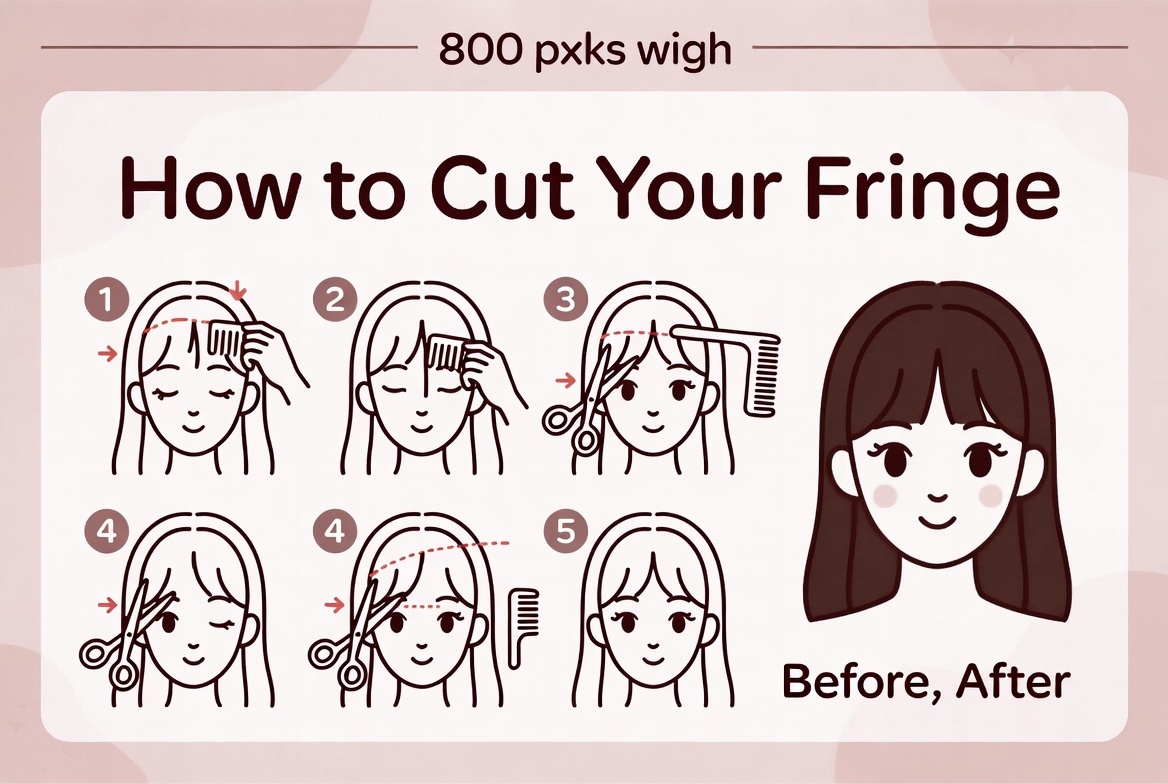
How to Cut Your Fringe?
Bangs can change your whole look. They frame your face and add style to your hair in ways you might not expect. The best part? You don’t always need to visit a salon to keep them looking fresh. With the right tools and some basic tips, you can trim your bangs at home and save both time and money.
Cutting your fringe isn’t as hard as it seems. In fact, many people do it themselves every single day. This guide will walk you through everything you need to know to cut bangs that look professional and feel comfortable to wear.
What Exactly Are Bangs?
Let’s start with the basics. Bangs are the shorter strands of hair that fall across your forehead. They sit right above your eyebrows or sometimes lower, depending on the style you want. Some people call them fringes, which is where the term “cutting your fringe” comes from.
Bangs work with nearly any hair type. You can rock them whether you have straight hair, curly hair, thick hair, or thin hair. The key is finding the right style for your hair texture and face shape.
Different people wear bangs differently. Some have full-coverage bangs that cover their entire forehead. Others prefer curtain bangs that part down the middle. Side-swept bangs fall to one side of your face. Blunt bangs are straight across. Short bangs sit high on your forehead, while longer bangs reach down past your eyebrows.
Why Cut Your Bangs at Home?
Salon visits can get expensive. If you get your bangs trimmed every 3 to 4 weeks to keep them looking sharp, those costs add up fast. Cutting bangs at home puts you in control of your look and your budget.
You also save time. You don’t need to book an appointment, travel to the salon, sit in the chair, and wait for your turn. When you cut your own bangs, you decide when the trim happens. It takes about 10 to 15 minutes, and you’re done.
Home trimming helps you get used to how your bangs behave. You learn what length works best for your hair type. You discover how your hair grows and how often it needs trimming. This knowledge makes every future trim easier and faster.
Plus, let’s be honest. There’s something satisfying about taking care of your own hair. You feel proud when your bangs look good because you did the work yourself.
Tools You Actually Need
You can’t cut bangs with regular scissors. Kitchen scissors won’t work either. You need the right tools, but don’t worry. You won’t need to buy a ton of stuff.
Hair scissors are the first must-have. Hair cutting scissors are sharp and designed specifically for cutting hair. They’re different from regular scissors. The blades are made from special metals that stay sharp longer. Good hair scissors cost between $15 and $30 for basic ones. That’s a one-time purchase that will last you for years.
You can find hair scissors at beauty supply stores, drugstores, and online shops. Look for scissors labeled “hair cutting scissors” or “barber scissors.” Make sure they feel comfortable in your hand.
Sectioning clips come next. These small clips hold the hair you’re not cutting out of the way. They keep your work area clean and organized. You can buy a pack of sectioning clips for under $10. Some people use bobby pins instead, which works just fine if you already have them at home.
A spray bottle filled with water helps too. You want your hair slightly damp when you cut bangs. Dry hair is harder to control and doesn’t cut smoothly. A regular spray bottle from your kitchen works perfectly.
A comb makes things easier. Use a fine-tooth comb to untangle your bangs and smooth them into the right position. A regular hair comb works great for this.
A mirror is essential. You need to see what you’re doing. A bathroom mirror works, but a handheld mirror helps you check the sides and back while you work.
That’s really all you need. You don’t have to spend a fortune to get professional-looking results.
Preparing Your Hair for the Cut
Before you start cutting, spend some time preparing your hair. This step makes a huge difference in how well your trim turns out.
Start by washing your hair. Clean hair is easier to work with. It doesn’t slip around as much, and you can see the actual shape better. Wash your hair the way you normally do, but don’t use a lot of conditioner on your bangs area. Too much conditioner makes hair slippery and hard to control.
Let your hair dry to about 70 percent damp. Not dripping wet, but not completely dry either. You want hair that’s slightly moist and easy to cut. Spray your bangs with water if they’ve dried completely.
Now comb through your bangs gently. Use the fine-tooth comb to get out all the knots and tangles. Work slowly and carefully. You don’t want to create damage before you even start cutting.
Part your hair the way you normally wear it. If you usually have a side part, create that now. If you wear your bangs straight across, part them that way. The bangs should fall naturally into the position where you’ll be cutting them.
Separate your bangs from the rest of your hair. Use your sectioning clips to hold back the longer hair on the sides and top of your head. Only your bangs should be loose and ready to cut. This keeps you focused and prevents you from accidentally cutting hair you want to keep long.
How to Measure the Right Length
Getting the length right is the hardest part. Cut too short, and you’ll feel upset until your hair grows back. Cut too long, and you’ll just need to trim again soon. So let’s talk about length.
The safest approach is to cut your bangs longer than you think you want them. Remember, hair looks different when it’s wet versus when it’s dry. It also moves around during the day. A fringe that seems short at first might feel just right once it dries and settles.
Here’s a simple trick. Hold your scissors vertically in your hand. Point them straight down. This angle is much safer than holding them flat. When you use vertical scissors, you’re less likely to cut too much at once. You can make tiny adjustments instead of one big chop.
For your first cut, aim for bangs that sit right on your eyebrows. That’s a safe, classic length that looks good on most people. Once you get used to cutting bangs, you can experiment with shorter or longer lengths.
Use your fingers to measure. Hold your bangs straight down and pinch them at the length where you want to cut. Look in the mirror to make sure that length feels right. Adjust your fingers up or down until the length looks good.
Here’s another tip: only cut a tiny bit at first. You can always cut more hair. But you can’t put hair back once you’ve cut it off. So start conservative. Cut just a quarter inch to a half inch. Then look at the result. If you want them shorter, you can always make another cut.
The Step-by-Step Cutting Process
Now it’s time to actually cut your bangs. Take a deep breath. You’ve got this.
Step 1: Position your bangs correctly
Hold your bangs straight down in front of your face. Use your fingers to keep them in place. They should be smooth and straight, not twisted or bunched up. Look in the mirror and make sure they look natural.
Step 2: Find your cutting line
Decide where you want to cut. Mark it mentally or use your fingers as a guide. Remember, start longer than you think you need. You can always cut more.
Step 3: Make your first cuts
Hold your scissors vertically. This is important. Vertical scissors create a softer edge than horizontal scissors. Start at one side of your bangs. Make a small cut, just a tiny snip. Move slowly across to the other side.
Don’t try to cut all the way across in one motion. Instead, make small cuts as you move from one side to the other. This gives you more control and helps you catch any uneven spots.
Step 4: Check your work
Let go of your bangs and look in the mirror. How do they look? Are they even? Do you like the length? This is your chance to see the actual result before you make any more cuts.
Step 5: Make adjustments
If one side is longer than the other, trim the longer side. Make very small cuts. If you want them shorter overall, make another careful pass across. Remember to cut vertically and go slowly.
Step 6: Blend the edges
Once your bangs are the right length, you can soften the edges a bit. Instead of cutting straight across, angle your scissors slightly. Make light cuts that remove just a tiny bit of hair. This creates a softer, more natural look instead of a blunt line.
Different Bang Styles and How to Cut Them
Not all bangs are cut the same way. Let’s look at the different styles and how to approach each one.
Blunt Bangs
Blunt bangs are straight across. They’re bold and dramatic. They look great on people with straight hair or smooth curly hair.
To cut blunt bangs, hold your hair straight down and cut horizontally in one smooth motion. Use horizontal scissors for this style. The goal is a clean, straight line across your forehead. Make sure your hair is totally dry before the final cut so you can see exactly how they’ll look.
Side-Swept Bangs
Side-swept bangs part to one side and sweep across your face. They’re softer and more subtle than blunt bangs. They work well on most hair types.
To cut side-swept bangs, part your hair to one side first. Let the bangs fall naturally in the direction they sweep. Hold them loosely and cut them at an angle. The longest part should be near your ear, and they should get shorter as you move toward the center of your forehead.
Curtain Bangs
Curtain bangs part down the middle and fall to both sides. They’re trendy and work with almost any hair texture. They’re especially good if you like a softer look.
To cut curtain bangs, create a center part. Section off the bangs in the middle. Cut the center portion a bit shorter, then cut the side sections at a slight angle so they’re longer as they get closer to your ear. The angle is key here. It creates that natural falling look.
Wispy Bangs
Wispy bangs have a soft, airy feel. They’re not blunt. They have texture and movement. They work great on curly or wavy hair.
To cut wispy bangs, cut them shorter than you think you need. Wispy bangs always look longer and fuller once they dry. Cut vertically and use a choppy technique instead of smooth, straight cuts. Make short, quick snips with the scissors pointing down. This creates that feathered, textured look.
Common Mistakes to Avoid
Learning from other people’s mistakes helps you avoid them yourself. Here are the big ones.
Cutting wet hair without accounting for shrinkage
Hair shrinks as it dries. If you cut your bangs while they’re soaking wet, they’ll be way too short once dry. This is the most common mistake people make. Always leave your bangs longer than you think you need, especially when they’re damp.
Cutting too much at once
You might feel impatient and want to make big cuts. Don’t. Small cuts let you control the result. You can always cut more. You can’t add hair back.
Using the wrong scissors
Regular scissors don’t cut hair well. They can damage the hair shaft and make your bangs look ragged. Invest in actual hair scissors. It’s worth it.
Not securing the rest of your hair
If you don’t clip back the longer hair, it gets in the way. You might accidentally cut it when you’re trying to focus on your bangs. Keep everything organized and separated.
Cutting at the wrong angle
Holding scissors flat gives you a harsh line and less control. Vertical scissors are almost always better. They let you make small, precise cuts.
Skipping the test cut
Before you commit to the length, make a test cut and see how it looks. Don’t cut all the way across without stopping to check. Make small sections and assess as you go.
Not considering your hair type
Curly hair behaves differently than straight hair. Thick hair needs different techniques than thin hair. Think about your hair type when you plan your cut. Curly hair especially shrinks more, so cut it even longer than you would straight hair.
Hair Types and Special Considerations
Your hair type affects how you should cut your bangs. Let’s break it down.
Straight Hair
Straight hair is the easiest to cut. It falls predictably and doesn’t shrink much when dry. You can use blunt bangs or any other style. Straight hair shows mistakes easily, so be extra careful with your cuts. Make sure your lines are even.
Curly Hair
Curly hair is trickier. It shrinks as it dries, sometimes by an inch or more. Always cut curly bangs longer than you think you need. Aim for a length that reaches your nose when the hair is dry and curled. Wavy or curly hair also works best with wispy or curtain bangs rather than blunt styles.
Thick Hair
Thick hair needs more careful planning. You might need to cut it in layers to make it lay flat. Section off your bangs and cut them in two layers: an underneath layer and a top layer. This removes bulk and prevents your bangs from puffing out.
Thin Hair
Thin hair needs a light touch. Avoid layers that make the hair look thinner. Keep the bangs fuller and less choppy. Blunt bangs or curtain bangs work better than wispy bangs for thin hair.
Colored or Damaged Hair
If your bangs are colored or treated, be extra gentle. Damaged hair breaks more easily. Use sharp scissors and make smooth cuts. Avoid the choppy, textured cutting techniques on damaged hair.
Maintaining Your Bangs Between Trims
Once you cut your bangs, you’ll need to keep them looking good. Regular maintenance keeps them fresh longer.
Wash your bangs gently. Don’t scrub them hard. Use a light shampoo and cool water. Pat them dry instead of rubbing. This prevents damage and keeps them looking neat.
Style your bangs the way you wear them. Use a blow dryer on a low setting if needed. Most people blow dry their bangs straight down in the style they wear every day. This sets the hair and keeps the style consistent.
Brush your bangs regularly. A light brushing every few hours keeps them smooth and prevents tangles. Use a soft brush, not a hard one.
Keep your bangs moisturized. Use a light hair oil or serum on the ends. This prevents them from looking dry and frizzy. Just use a tiny amount. A little goes a long way.
Trim your bangs every 3 to 4 weeks to keep them looking fresh. A quick trim doesn’t take long. You might only need to cut off a quarter inch at a time. Regular trims prevent your bangs from getting too long or looking scraggly.
When to See a Professional
Sometimes it’s better to let a professional handle your bangs. Here are some situations where a salon visit makes sense.
If you have very thick, curly, or textured hair, a professional can cut your bangs better than you can at first. They know how to work with different hair types. Once they cut your bangs, you can maintain them at home.
If you want a very specific style that seems complicated, get it done professionally first. Watch what the stylist does. Ask questions. Take notes or even a video. Then you can recreate it at home.
If you’re nervous about cutting your own bangs, start with a professional cut. Sometimes that confidence boost is worth the cost. Once you see how bangs should look, you’ll feel better about maintaining them yourself.
If something goes wrong with your DIY cut, don’t panic. A professional stylist can usually fix it. They might need to cut your bangs shorter to even them out, but they can save your style.
Styling Tips for Your Fresh Bangs
After you cut your bangs, styling them right makes them look even better.
Blow dry your bangs in the direction they fall. Use a round brush to smooth them out. This creates a polished look and helps them lay flat.
Use a light hairspray to hold them in place. You don’t need much. A light mist is better than heavy spray. Heavy spray makes bangs look stiff and unnatural.
For curly hair, use a curl cream or mousse instead of hairspray. Apply it to damp bangs and let them air dry or use a diffuser attachment on your blow dryer.
Try different styling techniques. Part your bangs differently. Pin them to the side. Experiment with textures. Once you get used to your bangs, you’ll find styles you love.
Use a hair straightener if you have curly or wavy bangs and want them smooth. Just be careful not to apply too much heat too often. This can damage your hair.
Troubleshooting Common Issues
Sometimes things don’t go perfectly. Here’s how to fix common problems.
Uneven bangs
If one side is longer than the other, trim the longer side to match. Make very small cuts. Check frequently in the mirror. It’s easier to fix unevenness when you catch it early.
Bangs that are too short
Unfortunately, if you cut them too short, you just have to wait for them to grow back. In the meantime, use bobby pins to style them to the side. Wear headbands or hats if needed. Your hair grows about half an inch per month, so they should be at a good length in a few months.
Bangs that look blunt and harsh
If your bangs look too harsh or thick, soften them up. Use the vertical scissors technique to create a wispy, textured look. Make light cuts along the edge to blend it better.
Frizzy bangs
Frizzy bangs mean your hair needs moisture. Use a light oil or serum. Apply a small amount to the ends of your bangs. You can also use an anti-frizz cream or spray. Always use these products sparingly.
Bangs that won’t lay flat
If your bangs stick up or won’t lay down, you might need to blow dry them. Use a blow dryer on a low setting with a round brush. Direct the hair downward as you dry. You can also use a light styling cream to help them lay flat.
Final Thoughts on Cutting Your Fringe
Cutting your own bangs is totally doable. It just takes practice and a little confidence. Start with a simple style and a safe length. Make small cuts and check your work frequently. Over time, you’ll get better at it and feel more comfortable.
The investment in good hair scissors pays for itself after just a few cuts. You’ll save money by not visiting the salon as often. You’ll also feel proud of yourself for taking care of your own hair.
Remember, hair grows back. If something goes wrong, you can get it fixed. Don’t let fear stop you from trying. Many people cut their own bangs regularly and love the results.
With the tips in this guide, you have everything you need to cut your fringe at home. Start your journey to salon-quality bangs today. You’ve got this.
Key Takeaways:
- Invest in proper hair scissors for clean, professional cuts
- Always cut hair that’s slightly damp, not soaking wet
- Start longer than you think you need and make small adjustments
- Use vertical scissors for better control
- Different hair types need different techniques
- Regular maintenance keeps your bangs looking fresh between trims
- Don’t be afraid to visit a professional if you’re unsure
- Practice makes perfect when it comes to cutting your own bangs