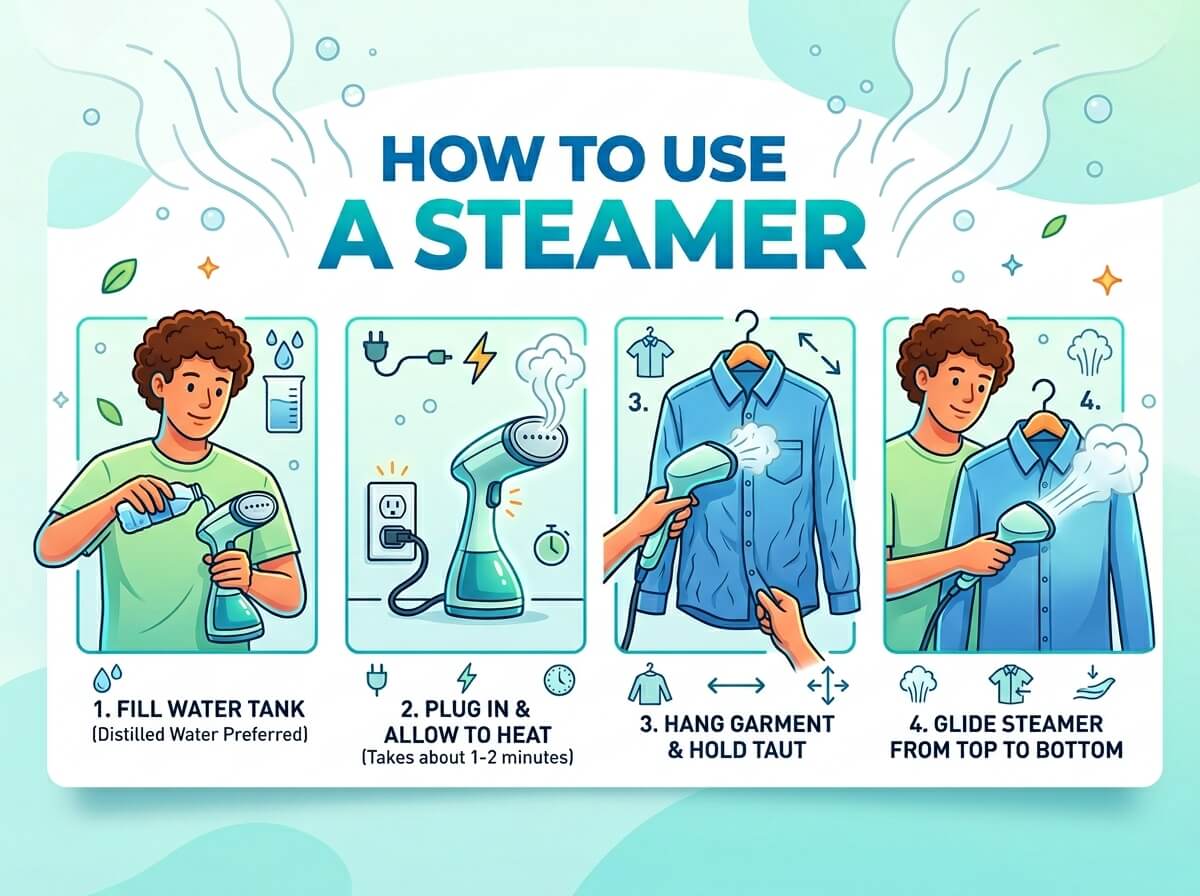
How to Use a Steamer?
If you’ve just bought a steamer or you’re thinking about getting one, you’re in for a treat. Steamers are one of the best kitchen gadgets you can own. They make cooking easier, healthier, and faster than you’d expect. The best part? You don’t need to be a pro chef to use one.
In this guide, I’m going to walk you through everything you need to know about using a steamer. We’ll cover the basics, the different types, and all the tricks that make steaming work like magic.
What Is a Steamer and Why Should You Care?
A steamer is a cooking tool that uses hot steam to cook food. The steam circulates around your food and cooks it gently. This method keeps your food moist and tender without adding oil or fat.
Let’s talk about why steamers rock:
- They keep nutrients in your food. When you boil vegetables, the good stuff leaks into the water. Steaming keeps those nutrients where they belong—in your food.
- Your food stays soft and juicy. Steam doesn’t dry things out like other cooking methods do.
- You can cook without adding grease. This makes steamed meals healthier for your body.
- They’re super safe to use. No hot oil splattering. No open flames.
- You save time. Many foods cook faster with steam than with traditional methods.
- They work for so many foods. Vegetables, fish, chicken, rice, dumplings, and more all do great in a steamer.
Types of Steamers You Can Buy
Before you start steaming, let’s look at your options. Different steamers work in different ways.
Bamboo Steamers
Bamboo steamers are the classic choice. You stack round baskets on top of each other. Each basket has a slatted floor that lets steam pass through.
What’s cool about bamboo steamers:
- They’re cheap and long-lasting.
- They look nice if you want to bring them to the table.
- You can stack multiple layers and cook several things at once.
- They work with any pot that’s the right size.
The downside is that bamboo can absorb smells over time. It also takes a bit of practice to use them right.
Metal Steamers
Metal steamer baskets are usually made from stainless steel. They fold up like an accordion. You put them in a regular pot with a little water.
Why people like metal steamers:
- They’re durable and last for years.
- They’re easy to clean.
- They’re flexible. You can adjust them to fit different pot sizes.
- They don’t absorb odors or stains.
The catch is that they’re smaller than bamboo steamers. You can only cook one layer at a time.
Electric Steamers
These plug into the wall. You fill a tank with water, add your food, and press a button. The steamer does the rest.
Electric steamers are great because:
- They’re very easy to use.
- They turn off by themselves when the water runs out.
- They heat water to the right temperature automatically.
- Many have timers that tell you when food is done.
The downside is they take up counter space. They’re also more expensive than other types.
Microwave Steamers
These are small plastic containers that you fill with water and food. They go in the microwave.
Why they’re handy:
- They’re the fastest option.
- They take up almost no space.
- They’re super cheap.
- They’re perfect for single servings or small amounts.
The problem is that microwave steamers don’t cook as evenly as other types. You might get hot spots or cold spots.
Stovetop Steamers
These are larger pots with a steamer basket built inside. You fill the bottom with water and stack your food on the basket.
These work well because:
- They hold a lot of food at once.
- They’re stable and don’t tip over easily.
- They’re all in one piece, so nothing can get lost.
Rice Cookers with Steamer Function
Many rice cookers have a steaming basket that sits above the rice. You can cook your rice and steam vegetables at the same time.
This is smart because:
- You save counter space.
- You cook two things at once.
- It’s all automatic.
How to Set Up Your Steamer
Getting your steamer ready is the first step. Let me break it down for you.
Filling With Water
Every steamer needs water to make steam. The water sits below your food and never touches it directly.
Here’s how to add water:
- Look at where the water goes. With a bamboo or metal steamer, you pour water into the pot underneath. With electric steamers, there’s usually a fill line on the water tank. Don’t guess—check your steamer’s manual to be sure.
- Fill to the right level. You want enough water to make steam for the whole cooking time. Usually, this means filling to about one inch below the steamer basket. Electric steamers have a fill line you should follow.
- Don’t overfill. If you add too much water, it might boil over and splash your food. It also makes the steam too wet.
- Use plain water. Tap water works fine in most cases. If your water is very hard or has a lot of minerals, use distilled water instead. This stops mineral buildup on your steamer.
Preparing the Basket or Tray
You need to get the cooking surface ready before you put food on it.
Here’s what to do:
- Clean the basket. Wash it with warm soapy water. Dry it completely.
- Add a barrier. Many people line their steamer with lettuce leaves, parchment paper, or cabbage leaves. This stops food from sticking to the basket. It also makes cleanup a breeze.
- Oil is optional. Some people lightly oil the basket to prevent sticking. A cooking spray works great. You can also use a small amount of coconut oil or olive oil.
- Check for cracks or damage. A broken basket won’t hold your food properly.
Preparing Your Food
What you do before steaming makes a big difference in how your food turns out.
Vegetables
Prep your vegetables like this:
- Cut them into equal pieces. This helps them cook at the same speed.
- Don’t chop too small. Very small pieces get mushy and fall apart.
- Aim for bite-sized pieces about one to one and a half inches.
- Peel if needed. You can steam with skin on or off. Carrots, potatoes, and beets do great with skins on.
- Wash everything well.
- Pat dry with a towel before steaming.
Fish and Seafood
Here’s how to get fish and seafood ready:
- Pat the fish dry with paper towels. Moisture on the outside gets in the way of good flavor.
- Remove any bones you can see.
- Season with salt, pepper, and any herbs you like.
- You can add a squeeze of lemon juice or a little soy sauce.
- Whole fish need a few slashes in the skin so heat gets inside.
- Thick fish fillets cook better if you pound them flat first.
Chicken and Meat
Get chicken and meat ready this way:
- Cut into pieces about three inches thick.
- Remove excess fat, but leave a little for flavor.
- Season ahead of time so flavors soak in.
- Let meat sit for fifteen to twenty minutes before steaming.
Rice and Grains
For rice and other grains:
- Rinse rice under running water. Rub it gently between your fingers. This gets rid of extra starch.
- Use the ratio recommended on the package. Usually it’s one part rice to two parts water.
- Add salt to taste.
- Let rice sit in water for five minutes before steaming.
Dumplings and Wontons
If you’re steaming dumplings:
- Thaw frozen dumplings in the fridge overnight if possible.
- Don’t put them directly on the basket. Use parchment paper or lettuce leaves.
- Leave space between each dumpling so steam can circulate.
- Brush the wrapper lightly with oil to stop sticking.
The Steaming Process: Step by Step
Now we get to the fun part. Here’s exactly how to steam your food.
Step 1: Bring Water to a Boil
First things first—get that water boiling.
- For stovetop steamers, turn the heat to high.
- Wait for the water to boil hard. You’ll see steam rising from the pot.
- This takes about five minutes.
- For electric steamers, fill the water tank and turn it on. The machine handles this part.
Step 2: Arrange Your Food
Once you have steam, it’s time to add your food.
- Place food on the basket or tray in a single layer.
- Don’t stack food on top of each other. Steam needs to reach all sides.
- Leave space between pieces for air to flow.
- If you’re cooking different foods at once, put foods that take longer on the bottom. Put quick-cooking foods on top.
Step 3: Cover the Steamer
This is crucial. You need to trap the steam.
- Close the lid tight.
- Make sure it sits flat and isn’t crooked.
- Don’t lift the lid constantly. Every time you do, heat escapes.
- If you need to check food, lift the lid quickly and close it fast.
Step 4: Set Your Timer
Time matters when you’re steaming. Different foods take different amounts of time.
Here’s a quick guide:
- Leafy greens: Two to four minutes
- Broccoli or cauliflower: Five to seven minutes
- Carrots: Eight to ten minutes
- Potatoes: Fifteen to twenty minutes
- Fish fillets: Six to ten minutes
- Shrimp: Three to five minutes
- Chicken breasts: Twelve to fifteen minutes
- Dumplings: Five to eight minutes
These times are just guides. Thickness, size, and your altitude can change cooking time.
Step 5: Check for Doneness
When time’s up, check if your food is done.
For vegetables, pierce them with a fork. They should be tender but not mushy. You should be able to push through them easily.
For fish, the flesh should flake apart with a fork. It shouldn’t look wet or raw. You want it opaque.
For chicken, cut into the thickest part. No pink should be showing. The juices should run clear.
For dumplings, they should float and be cooked through. Taste one to check.
Step 6: Remove Food Carefully
Steam is hot, so be careful now.
- Lift the lid away from your body. Let the steam escape toward the stove.
- Use tongs or a fork to remove food. Don’t use bare hands.
- Place hot food on a plate or cutting board.
- Let it cool for a minute before eating.
Cooking Times for Popular Foods
Let’s get specific about how long to steam different things.
Vegetables (per pound)
- Asparagus: Five to seven minutes
- Broccoli florets: Five to seven minutes
- Brussels sprouts: Eight to twelve minutes
- Cabbage: Five to ten minutes
- Carrots: Ten to fifteen minutes
- Cauliflower: Five to eight minutes
- Green beans: Five to seven minutes
- Peas: Three to five minutes
- Spinach: Two to three minutes
- Zucchini: Five to seven minutes
Proteins
- Fish fillets (half inch thick): Six to eight minutes
- Shrimp: Three to five minutes
- Scallops: Four to six minutes
- Chicken breast: Twelve to fifteen minutes
- Ground meat patties: Ten to twelve minutes
Grains
- White rice: Fifteen to twenty minutes
- Brown rice: Twenty to thirty minutes
- Quinoa: Twelve to fifteen minutes
- Couscous: Five to eight minutes
Dumplings and Pasta
- Pork dumplings: Six to eight minutes
- Vegetable dumplings: Five to seven minutes
- Wontons: Five to six minutes
- Bamboo leaves (sticky rice wraps): Thirty to forty minutes
Pro Tips for Perfect Steaming
Let me share some tricks that make steaming even better.
Keep Water at the Right Level
Water needs to stay at a good level the whole time you’re cooking.
- For stovetop steamers, add more water if you hear sizzling sounds. That means water is running low.
- Keep extra hot water heating on the side in a kettle. When you need to add more, use hot water, not cold. Cold water stops cooking.
- For electric steamers, follow the manual about when to refill.
Season as You Cook
Don’t wait until after to add flavor.
- Add herbs and spices before steaming. They’ll cook into your food.
- Salt food right before steaming. Salt draws out moisture.
- Put aromatics like garlic or ginger on or near your food.
- Squeeze fresh lemon juice over fish before cooking.
Layer Different Foods Smartly
If you’re cooking multiple things:
- Put items that take longest on the bottom where steam is hottest.
- Put delicate items on top.
- Use separate baskets to keep flavors from mixing if you want.
- Cook fish in one basket and vegetables in another so fish smell doesn’t get on veggies.
Don’t Crowd the Basket
Space is your friend.
- Leave room for steam to move around food.
- Overcrowding means uneven cooking.
- In bamboo steamers, load about three-quarters full.
- Foods should touch the basket but not touch each other.
Create Steam Pockets
Some cooks put a mound of salt or towels in the water below.
- This creates air pockets that distribute steam more evenly.
- It’s especially helpful with electric steamers.
- It helps with foods that steam unevenly.
Use the Right Water
Your water matters more than you’d think.
- Tap water works fine in most places.
- If you see white powder building up (mineral deposits), switch to filtered or distilled water.
- Never use cooking oil in the water. This is dangerous and wastes the steamer.
- Some cooks add a piece of ginger or star anise to the water for subtle flavor.
Make a Foil Packet
For foods that might drip or soak:
- Take a piece of foil and make a shallow cup shape.
- Put your food in the foil.
- Place the whole thing on the steamer basket.
- This catches any drips and stops flavors from mixing.
Common Steaming Mistakes and How to Avoid Them
Even experienced cooks make these mistakes. Don’t let them trip you up.
Lifting the Lid Too Often
Every time you peek, you let heat escape.
- The temperature drops fast.
- Your food takes longer to cook.
- Cook times become unpredictable.
- Trust your timer and resist looking.
Not Enough Water
Running out of water is a common problem.
- Your food stops cooking.
- Your steamer might get damaged from the heat.
- Fill to the right level at the start.
- If cooking takes a long time, keep hot water ready to add.
Cutting Food into Different Sizes
Uneven pieces cook unevenly.
- Small pieces get done first and get mushy.
- Large pieces stay undercooked.
- Take five minutes to cut everything to the same size.
- Aim for similar thickness on everything.
Not Patting Food Dry
Wet food steams less evenly.
- Extra water makes the steam wet instead of dry.
- Wet steam cooks slower.
- Pat everything with paper towels before putting it on the steamer.
Overcrowding the Basket
This is a huge mistake.
- Food doesn’t cook evenly.
- The center stays cold.
- The edges get mushy.
- If it doesn’t fit comfortably, cook in batches.
Steaming Without Lining the Basket
Food can stick to the basket if you’re not careful.
- Line with parchment paper, lettuce, or cabbage.
- Your cleanup will be way easier.
- Your food will come out prettier.
- Oil the basket if you don’t want to use a liner.
Not Letting Water Come to a Full Boil
You need proper steam to cook food right.
- Wait for a rolling boil before adding food.
- Steam won’t form properly with just hot water.
- You need to see steam rising hard from the pot.
Cleaning Your Steamer
Taking care of your steamer keeps it working great.
For Bamboo Steamers
- Wash right away after cooking. Don’t let food dry on it.
- Use warm soapy water and a soft brush.
- Rinse very well.
- Stand it up to air dry. Don’t pile it while wet.
- Store in a dry place. Bamboo can get moldy if stored damp.
For Metal Steamers
- Soak in hot soapy water for ten minutes.
- Scrub with a soft brush or sponge.
- Rinse under running water.
- Dry completely.
- Store in a cabinet or drawer.
For Electric Steamers
- Unplug before cleaning.
- Let it cool completely.
- Wipe the outside with a damp cloth.
- Empty and rinse the water tank.
- Remove and wash the cooking baskets.
- Check the manual for any special cleaning instructions.
Dealing with Mineral Deposits
If white crusty stuff builds up:
- Fill the water tank with equal parts water and white vinegar.
- Run the steamer empty for several minutes.
- Empty and refill with plain water.
- Run again to rinse out the vinegar.
- Repeat if needed.
Best Foods to Steam
Some foods are absolute superstars in a steamer.
Vegetables That Shine
- Broccoli stays bright green and crisp.
- Carrots become super sweet.
- Brussels sprouts get tender inside with crispy edges.
- Asparagus comes out perfectly tender.
- Green beans keep their crunch.
- Bok choy gets tender without falling apart.
- Corn on the cob gets hot and juicy.
Proteins That Work Great
- White fish like cod or tilapia flakes perfectly.
- Salmon stays moist and tender.
- Shrimp cooks evenly and stays juicy.
- Chicken breasts don’t dry out.
- Tofu gets hot without falling apart.
- Ground meat patties cook through without shrinking much.
Sides That Cook Well
- Rice gets fluffy and light.
- Dumplings cook perfectly with minimal sticking.
- Potatoes become creamy inside and tender.
- Corn tastes sweeter when steamed.
- Bread or buns steam to fluffy perfection.
Flavor Boost Ideas
Steaming is healthy, but you can make it taste amazing too.
Herbs and Spices
Add these before steaming:
- Fresh dill with fish
- Cilantro with rice
- Thyme with chicken
- Cumin with vegetables
- Ginger with seafood
- Garlic with everything
Sauces and Condiments
Drizzle these after steaming:
- Soy sauce with vegetables
- Lemon butter with fish
- Sesame oil with greens
- Hot sauce with chicken
- Peanut sauce with dumplings
Aromatics
Put these in the water or on the food:
- Star anise in the water
- Fresh ginger slices
- Lemongrass pieces
- Bay leaves
- Scallions on top
Answers to Your Steaming Questions
How long can I store steamed food?
Store in an airtight container in the fridge for three to four days. You can also freeze steamed food for up to three months.
Can I season the water in the steamer?
You can add a little salt or a splash of broth to the water. Just don’t add too much—it can ruin the steamer over time.
Is it okay to steam frozen food?
Yes, but add five to ten minutes to cooking time. Thawing in the fridge first gives better results.
Can I steam multiple foods at once?
Yes, if they take similar cooking times. Use separate baskets if you want to keep flavors apart.
Will steamed food taste bland?
Only if you don’t season it. Add herbs, spices, and sauces before or after cooking.
How do I know if my food is done?
Test with a fork for vegetables. For fish, look for opaque flesh. For chicken, check that the inside isn’t pink.
Final Thoughts
Using a steamer is simple once you get the hang of it. Start with basic vegetables and simple proteins. As you get comfortable, try new foods and flavor combinations.
The beauty of steaming is that it’s hard to mess up. Even if your timing is a little off, you’ll still get delicious, healthy meals. Your food stays nutritious and flavorful. Your steamer will become one of your favorite kitchen tools.
So go ahead. Fill your steamer with water. Add your favorite foods. Close the lid and let the steam do its magic. You’re going to love the results.
Happy steaming!
Mary is a fashion enthusiast and lifestyle writer who loves discovering stylish clothing, accessories, and everyday fashion essentials. She enjoys researching the latest trends, reviewing popular products, and sharing practical style tips to help readers dress with confidence. Through FashionSolve.com, Mary provides honest recommendations, fashion guides, and inspiration for building a wardrobe that is both stylish and affordable.