How to Stop Frizzy Hair?
Frizzy hair can turn a good hair day into a frustrating mess. You wake up, style your locks, and then humidity hits, and boom—your hair transforms into a wild nest. It’s annoying, time-consuming, and can really mess with your confidence. The good news? You can tame that frizz and get the smooth, sleek hair you want.
Frizz happens when your hair needs moisture and attention. Your hair gets wild and unruly when the outer layer, called the cuticle, doesn’t sit flat. Water from the air sneaks into your hair and causes it to swell and puff up. But you don’t have to accept frizzy hair as your fate. Simple changes to how you care for your hair can make a huge difference.
In this guide, we’ll walk you through exactly how to stop frizz and keep your hair looking great every single day. You’ll learn why your hair gets frizzy, what you can do right now, and which products and habits will help you get smooth, shiny locks for good.
Why Does Your Hair Get Frizzy?
Before you can fix frizzy hair, you need to know why it happens in the first place. Frizz doesn’t just appear out of nowhere. Several things cause your hair to get wild and puffy.
Your hair’s outer layer is made up of tiny overlapping scales called cuticles. When these cuticles lie flat and smooth, your hair looks shiny and sleek. But when moisture gets into your hair shaft, the hair swells and the cuticles stand up. This makes your hair look frizzy and rough.
Humidity is the biggest enemy. When the air around you is damp, your hair soaks up that moisture like a sponge. If your hair doesn’t have enough natural oils and moisture locked in, it pulls water from the humid air and expands. This causes that puffy, frizzy look you hate.
Heat damage also causes frizz. When you use blow dryers, flat irons, or curling tools without protection, you damage the outer cuticle layer. Damaged cuticles can’t seal properly, so moisture escapes and frizz appears.
Dry hair is prone to frizz. If your hair doesn’t have enough moisture inside, it gets thirsty. Thirsty hair absorbs humidity from the air around you, which makes it swell and frizz out. Your hair needs the right balance of water and oil to stay smooth.
Rough towel drying causes frizz too. When you rub your wet hair with a regular towel, you damage the cuticles and create frizz right from the start. The way you dry your hair matters a lot.
Poor hair care habits can make frizz worse. Using the wrong shampoo, not conditioning enough, or skipping deep conditioning treatments leaves your hair dry and frizzy.
Start With the Right Shampoo and Conditioner
The products you use matter a lot when fighting frizz. Your shampoo and conditioner are the foundation of smooth hair.
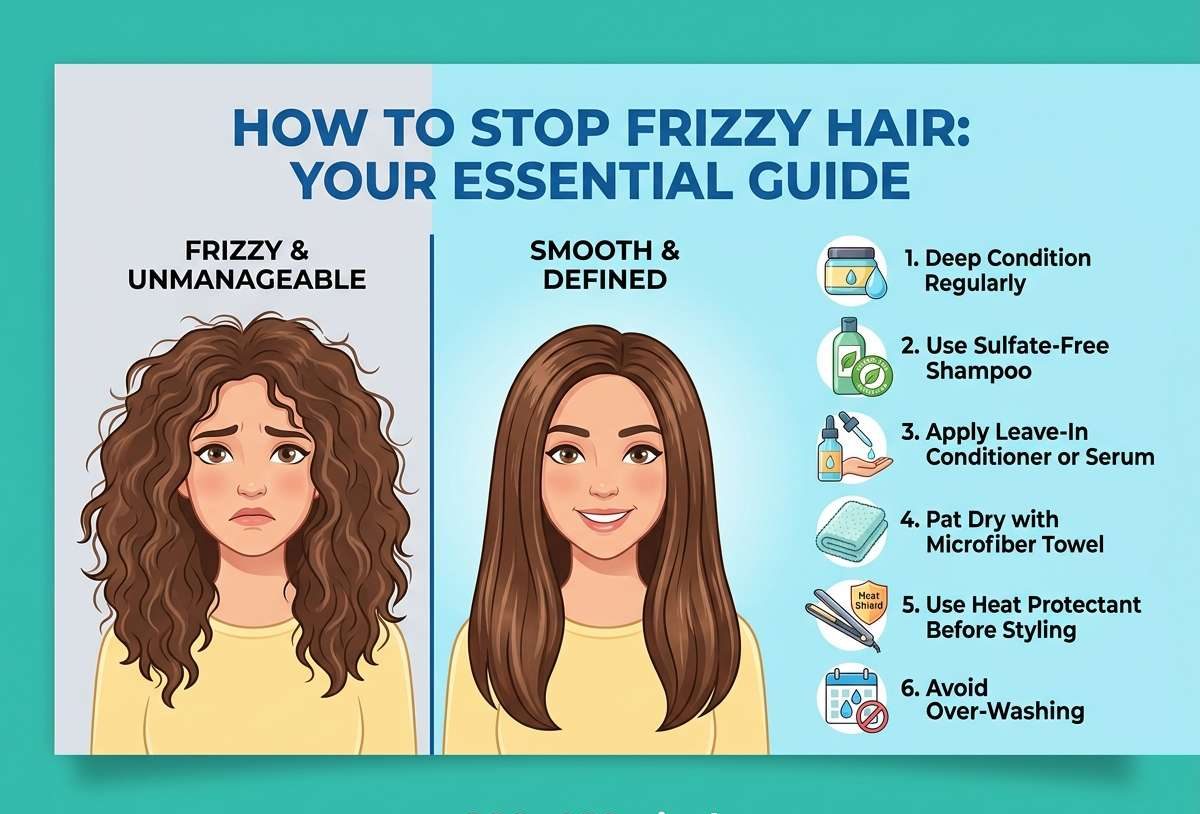
Look for a sulfate-free shampoo. Sulfates are harsh chemicals that strip away your hair’s natural oils. When your hair loses those oils, it becomes dry and frizzy. A gentle, sulfate-free formula cleans your hair without removing the oils it needs.
Use a moisturizing shampoo that’s made to add hydration. These products have ingredients that help your hair hold onto water. When you wash your hair, you want it to feel soft and smooth, not dry and rough.
Conditioner is not optional—it’s essential. Apply conditioner to the middle and ends of your hair every single time you wash. Leave it on for at least a minute or two so it can do its job. Think of conditioner as a drink of water for your hair.
Use a deep conditioning treatment once a week or every two weeks. These treatments go deeper than regular conditioner and really restore moisture. Apply it to damp hair, leave it on for 10 to 20 minutes, then rinse it out. Your hair will feel incredibly soft and smooth.
Focus your conditioner and deep treatments on the ends of your hair. The ends are the oldest part of your hair and they need the most help. Don’t put deep conditioner on your scalp though, as that can make your hair look greasy.
Look for products with moisturizing ingredients like argan oil, coconut oil, keratin, or shea butter. These ingredients coat your hair and seal in moisture. They help the cuticles lie flat and smooth.
Dry Your Hair the Right Way
How you dry your hair makes a huge difference in how frizzy it gets.
Stop rubbing your hair with a regular towel. This rough action damages the cuticles and creates frizz immediately. Instead, gently squeeze the water out of your hair with your towel. Use a soft microfiber towel or an old t-shirt. Pat your hair gently to remove excess water.
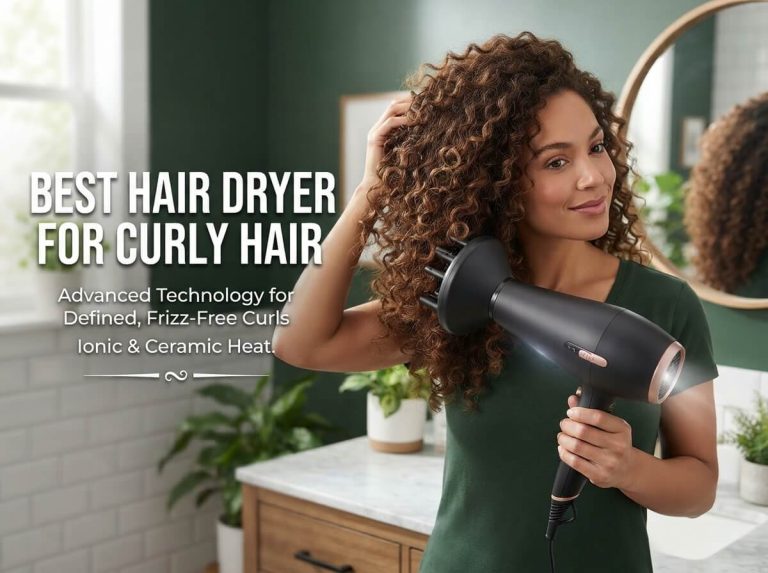
Use a blow dryer on medium or low heat. High heat damages your hair and makes frizz worse. If you use high heat, you’re basically cooking the moisture out of your hair and damaging the protective cuticles.
Use a heat protectant spray before you dry your hair. Spray it on damp hair from the roots to the ends. This creates a barrier between your hair and the heat, preventing damage and frizz.
Hold your blow dryer about 6 inches away from your hair and keep it moving. Don’t aim it at one spot for too long. Let cool air from the dryer blow over your hair, which helps the cuticles seal shut.
Dry your hair from roots to ends, moving with the direction the hair naturally grows. This helps the cuticles lie flat instead of standing up and getting frizzy.
Use a concentrator nozzle on your blow dryer to direct the airflow. This helps you dry your hair more smoothly and with less frizz than using the blow dryer without a nozzle.
Let your hair air dry as much as possible. If you have time, let your hair dry naturally on its own. You can use a blow dryer just on the roots where hair takes longest to dry, and let the rest air dry. This reduces heat damage and frizz.
Apply Leave-In Products for Smooth Hair
Leave-in products are your secret weapon against frizz. These products stay in your hair after you wash and dry it.
Leave-in conditioner is a game-changer. Apply it to damp hair before you dry it. This product adds moisture and helps the cuticles seal down. Your hair will feel smoother and look shinier.
Use a smoothing serum or frizz-control serum. These lightweight products have oils that coat your hair and seal in moisture. Apply a tiny amount to your hands and run them through damp hair before blow drying. A little goes a long way, so start small.
Hair oils like argan oil, coconut oil, or jojoba oil work great for frizz control. Put a few drops on your hands, rub them together, and smooth them through your hair when it’s damp. Be careful not to use too much or your hair will look greasy.
Curl creams and styling creams add moisture and hold. These products work well for wavy or curly hair that’s prone to frizz. They help define your curls while keeping them smooth and frizz-free.
Apply these products to damp hair, not soaking wet. Your hair should be damp but not dripping. This helps the products absorb better and work more effectively.
Don’t apply leave-in products to your scalp. Focus on the middle and ends of your hair where frizz tends to happen. Your scalp makes its own oils, so you don’t need to add more there.
Let products absorb before you touch your hair too much. Once you apply a leave-in product, let it sink in for a minute or two before you start blow drying or styling.
Reduce Heat Styling Damage
Heat styling tools like blow dryers, flat irons, and curling wands cause damage that leads to frizz.
Skip heat styling on days when you can. Give your hair a break from the heat. Wear your hair in braids, buns, or let it air dry in its natural texture. Your hair will thank you.
Always use a heat protectant spray before using any hot tool. These sprays create a shield that prevents heat from damaging your hair and cuticles. Apply it to damp hair and let it dry before you start styling.
Keep your heat tools on a lower setting. Most people use their tools way too hot. Lower heat takes longer but does much less damage. Your hair won’t get as frizzy if you use less intense heat.
Use a ceramic or tourmaline flat iron or curling tool if you do heat style. These materials distribute heat more evenly than cheap metal tools. They help prevent hot spots that cause damage and frizz.
Don’t run your flat iron or curling tool over the same section multiple times. Once or twice is enough. Running it over and over damages your hair more and makes it frizzy.
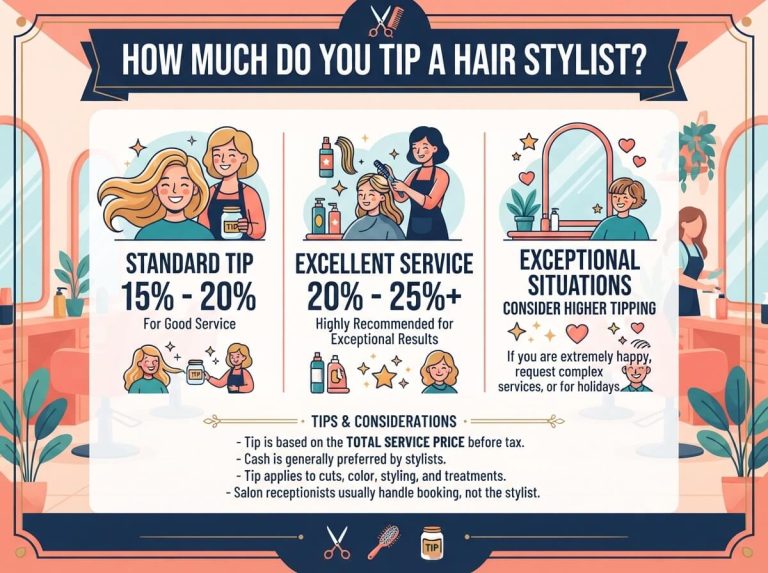
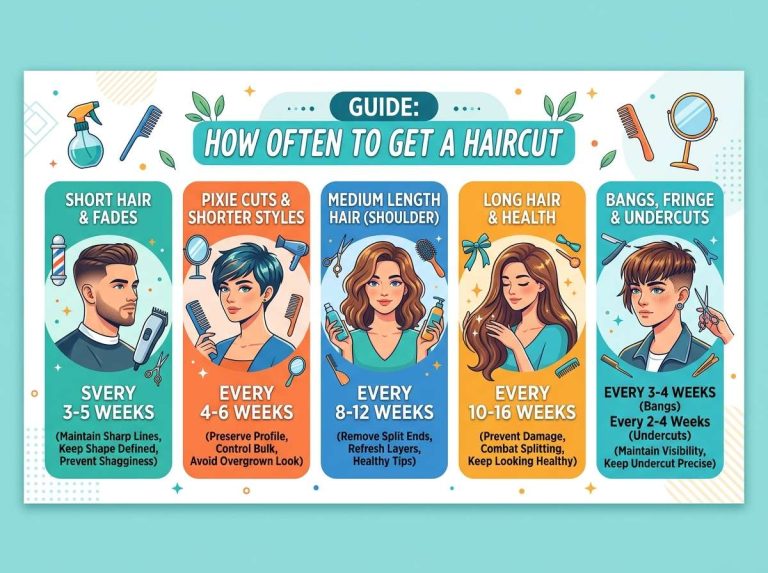
Get your hair trimmed every 6 to 8 weeks. Split ends make your hair look frizzy and damaged. Regular trims keep the ends healthy and your whole head looking smooth and full.
Use a Hair Mask or Deep Treatment Weekly
Deep treatments go way beyond what regular conditioner can do. They really pack moisture into your hair.
Apply a hair mask or deep conditioning treatment once a week. These treatments are thicker and richer than regular conditioner. They sit on your hair and soak in for 10 to 20 minutes, really restoring moisture.
Look for masks with nourishing ingredients like avocado, honey, eggs, yogurt, or oils. These natural ingredients add protein and moisture that your hair needs.
Apply the mask to damp hair, focusing on the middle and ends. Avoid your scalp unless you have very dry hair everywhere.
Leave the mask on for at least 10 minutes. You can even leave it on longer—there’s no harm in that. Some people leave deep treatments on for 30 minutes or even overnight.
You can also make your own hair mask at home using simple ingredients. Mix coconut oil with honey, or combine avocado with olive oil. Apply it to your hair, cover your head with a shower cap, and leave it on for 15 to 20 minutes.
Rinse the mask out with cool water. The cool water helps seal down the cuticles and lock in moisture. Warm or hot water opens up the cuticles and lets moisture escape.
Adjust Your Brushing and Styling Habits
How you handle your hair throughout the day affects frizz.
Don’t brush wet hair. Wet hair is fragile and breaks easily, causing frizz and damage. Let your hair dry at least partially before you brush it.
Use a wide-tooth comb on wet hair instead of a brush. A comb is gentler and causes less breakage.
Use a soft paddle brush or boar bristle brush on dry hair. Boar bristle brushes are great because they help distribute your hair’s natural oils from the roots to the ends. This keeps your hair smooth and shiny.
Brush gently and carefully. Don’t yank or pull hard. Start at the ends and work your way up to avoid breaking your hair.
Put your hair in a loose braid or bun when it’s damp and you’re going to bed. This prevents your hair from rubbing against your pillow and getting frizzy. You’ll wake up with smoother waves or curls.
Avoid touching your hair constantly throughout the day. The more you touch your hair, the more you mess up the cuticles and cause frizz. Try to leave it alone once you’ve styled it.
Control Humidity With These Tricks
Humidity is the biggest cause of frizz, so fighting it is super important.
Use an anti-frizz spray or humidity-fighting spray before you go outside on humid days. These sprays create a protective layer that keeps humidity out of your hair. Spray it all over your hair, paying special attention to the sides and back where frizz tends to happen first.
Keep a small smoothing serum or anti-frizz cream in your purse or bag. You can touch up your hair throughout the day if you need to. Just use a tiny amount and smooth it over any frizzy spots.
Avoid going outside right after you wash and dry your hair on super humid days. Wait a few hours so your hair has time to fully set and the cuticles seal down completely. Freshly dried hair is more vulnerable to humidity.
Stay indoors in air conditioning when humidity is really high. Air conditioning removes moisture from the air, which prevents your hair from absorbing humidity.
Use a humidifier in your home during dry seasons. This might sound backward, but very dry air can make frizz worse too. A humidifier keeps the air at a balanced moisture level.
Try These Fast Fixes for Frizzy Hair
Sometimes you need a quick fix for frizz when you’re out and about or when your hair is already frizzy.
Use a tiny bit of anti-frizz serum on a clean brush and gently run it over the frizzy spots. This tames flyaways and keeps them in place.
Smooth down frizzy sections with a little bit of hair oil on your fingertips. Rub your fingers together and gently smooth the frizz. Be very light-handed so you don’t make it worse.
Keep bobby pins or a small clip in your bag to pin back the frizzy spots. Sometimes the simplest solution is just to pin it down.
Use a small amount of lotion on your hands and smooth it over frizzy sections. Your regular hand lotion works in a pinch. Use just a tiny bit or it will look greasy.
Spray a light mist of hairspray on frizzy spots to keep them in place. Don’t use too much or your hair will feel stiff and crunchy.
Wear your hair up in a bun, ponytail, or braid to hide frizz when you can’t fix it. This works great on days when your hair is being extra stubborn.
Get the Right Haircut for Your Hair Type
Your haircut has a big impact on frizz. The right cut can actually help prevent frizz and make your hair easier to manage.
Tell your stylist that you have frizzy hair and want a cut that minimizes it. A good stylist will recommend a cut that works with your hair texture instead of against it.
Layers can actually help reduce frizz by removing bulk and weight. Lighter hair is less prone to frizz than heavy, thick hair. Layers allow your hair to move more freely.
Avoid blunt, one-length cuts if you have very frizzy hair. These cuts can make frizz look worse because all your hair is the same length and puffs out in one big shape.
Long hair tends to show frizz more than shorter hair because there’s more surface area for the cuticles to stand up. If your frizz is really bad, try a shorter cut that’s easier to manage.
Get regular trims every 6 to 8 weeks to keep your hair healthy and strong. Healthy hair is less frizzy than damaged, split-end hair. Regular trims remove the damaged ends that make your hair look rough.
Use Natural Ingredients for Frizz Control
You don’t always need fancy products. Many natural ingredients work great for taming frizz.
Coconut oil is amazing for frizz. Use it as a leave-in treatment, a deep conditioning mask, or a smoothing serum. It seals in moisture and adds shine.
Argan oil is lightweight and perfect for frizzy hair. It absorbs into your hair without making it look greasy. Use just a few drops on damp hair before blow drying.
Aloe vera is soothing and helps smooth down frizz. Apply aloe vera gel to your hair as a leave-in treatment or mix it with your regular conditioner.
Honey adds moisture and shine. Mix raw honey with your conditioner or use it in a hair mask. Honey helps your hair hold onto water.
Olive oil works as a deep conditioning treatment. Mix it with a little bit of honey and apply it to your hair. Leave it on for 15 to 20 minutes then rinse it out.
Apple cider vinegar can help seal down the cuticles. Dilute it with water (1 part vinegar to 4 parts water) and use it as a rinse after you wash your hair. It makes your hair shiny and smooth.
Avocado is packed with moisturizing fats. Mash a ripe avocado and mix it with a little oil. Apply it to your hair as a mask and leave it on for 15 minutes. Your hair will feel incredibly soft.
Lifestyle Changes That Help With Frizz
Frizz isn’t just about what you put on your hair. Your overall habits and lifestyle affect how frizzy your hair gets.
Drink plenty of water. Hydrated bodies have healthier, shinier hair. When you don’t drink enough water, your hair gets dry and frizzy from the inside out.
Eat foods with omega-3 fatty acids, protein, and vitamins. Fish, nuts, eggs, and leafy greens feed your hair from the inside. Healthy hair is stronger and less prone to frizz.
Get enough sleep. When you’re tired, your body can’t focus on making healthy hair. Sleep helps your body repair and regenerate, including your hair.
Reduce stress as much as you can. Stress can trigger hair loss and make hair dry and frizzy. Exercise, meditation, or time with friends all help reduce stress.
Avoid smoking. Smoking damages your hair and makes it dry and frizzy. Quitting smoking helps your whole body, including your hair.
Protect your hair while swimming. Chlorine and salt water damage hair and cause frizz. Wet your hair with fresh water and apply conditioner before swimming. Wear a swim cap if you can. Rinse your hair with fresh water right after swimming.
Sleep on a silk or satin pillowcase instead of cotton. Cotton creates friction that causes frizz, while silk and satin are smooth and gentle. Your hair will look better and your skin will too.
Which Products Should You Avoid?
Not all products help with frizz. Some actually make it worse.
Avoid shampoos with sulfates. Sulfates are harsh and strip away natural oils. Without these oils, your hair gets dry and frizzy.
Skip products with silicones if you can. Some silicones build up on your hair and make it look dull and frizzy. Check the ingredient list for names like dimethicone or polymethylsiloxane.
Don’t use thick, heavy creams on fine or thin hair. These products can weigh your hair down and make it look greasy and flat.
Avoid alcohol-based sprays and styling products. Alcohol dries out your hair and causes frizz. Look for alcohol-free versions instead.
Don’t use clarifying shampoo too often. Clarifying shampoo strips away oils and buildup, but it can also make your hair dry and frizzy if you use it too much. Use it only once a month at most.
Skip fabric softener on your hair. Fabric softener is made to soften cloth, not hair. It can build up and make your hair look dull and frizzy.
Common Frizz Mistakes You’re Probably Making
You might be doing things that make your frizz worse without realizing it.
You’re washing your hair too often. Frequent washing strips away natural oils. Try washing your hair just 2 or 3 times a week instead. Your scalp will adjust and produce less oil.
You’re using water that’s too hot. Hot water opens up the cuticles and lets moisture escape. Use warm or cool water instead.
You’re skipping conditioner. Conditioner is not a luxury—it’s a necessity for smooth, frizz-free hair. Never skip it.
You’re not using enough product. A tiny amount of conditioner won’t do much. Use enough so your hair is well-coated.
You’re blow drying your hair while it’s soaking wet. Start drying your hair when it’s just damp, not dripping wet. This reduces frizz and damage.
You’re using a regular towel. Regular towels cause frizz. Switch to a microfiber towel or t-shirt.
You’re fighting the humidity instead of working with it. Instead of trying to make your hair completely straight and smooth on humid days, work with your natural texture and just tame the frizz.
You’re not getting regular trims. Split ends make frizz look worse. Get a trim every 6 to 8 weeks.
Your Smooth Hair Action Plan
You now know what causes frizz and how to fix it. Let’s put together a simple action plan you can start right away.
This week, swap your regular shampoo for a sulfate-free, moisturizing option. This single change makes a difference.
Start using conditioner every single time you wash your hair. Apply it to the middle and ends and leave it on for at least a minute.
Switch from a regular towel to a microfiber towel or t-shirt for drying your hair.
Apply a heat protectant spray before you blow dry your hair.
This is a great start. You should notice your hair feeling softer and looking less frizzy within a few days.
Next week, add a deep conditioning treatment to your routine. Use it once a week for the best results.
Add a leave-in conditioner or anti-frizz serum to your routine. Apply it to damp hair before blow drying.
Start letting your hair air dry as much as possible instead of always blow drying it.
After a couple of weeks with these habits, your hair will look noticeably smoother and less frizzy.
The month after, schedule a haircut from a stylist who understands frizzy hair. A good cut makes a huge difference.
Start thinking about your lifestyle. Are you drinking enough water? Getting enough sleep? Eating healthy foods? These things affect your hair more than you might think.
Real Results Take Time But They Come
Taming frizzy hair doesn’t happen overnight, but real, lasting results come when you stick with the right habits. Don’t expect your hair to be perfect after one wash or one week. Give it time.
Your hair grows slowly. It takes about 6 months for new, healthier hair to grow in and replace the damaged stuff. During that time, keep taking care of the hair you have right now.
Be consistent with your new routine. Using a good product once and then going back to your old habits won’t work. You need to stick with it day after day.
Expect to spend a little more money on better products. Good shampoo, conditioner, and treatments cost more than cheap stuff, but they’re worth it. Your hair is worth the investment.
Keep trying different products until you find what works best for your hair. Everyone’s hair is different. What works great for your friend might not work as well for you.
Be patient with yourself and your hair. You’ve probably been dealing with frizz for a long time. It takes time to undo all that damage and get your hair back to healthy, smooth, and shiny.
Conclusion: You Can Have Smooth Hair
Frizzy hair is frustrating, but it’s not permanent. You can get smooth, beautiful, manageable hair by making smart choices about how you care for it.
Start with moisture. Give your hair the water and oil it needs to stay smooth and healthy. Use a good shampoo and conditioner, apply leave-in treatments, and do a deep conditioning treatment every week.
Protect your hair from damage. Use heat protectant sprays, lower heat settings, skip unnecessary styling, and get regular trims.
Fight humidity with the right products and techniques. Use anti-frizz serums, smoothing sprays, and protective products when you know you’ll be in humid weather.
Take care of your whole body. Drink water, eat well, sleep enough, and manage stress. Your hair reflects the health of your whole body.
The tips in this guide really work. Thousands of people have used these exact strategies to go from frizzy, unmanageable hair to smooth, shiny, beautiful locks. You can too.
Your hair doesn’t have to be a battle. With the right approach, you can have the smooth, sleek hair you want every single day. Start today and watch your hair transform.
Mary is a fashion enthusiast and lifestyle writer who loves discovering stylish clothing, accessories, and everyday fashion essentials. She enjoys researching the latest trends, reviewing popular products, and sharing practical style tips to help readers dress with confidence. Through FashionSolve.com, Mary provides honest recommendations, fashion guides, and inspiration for building a wardrobe that is both stylish and affordable.