How Often Can You Dye Your Hair?
If you’ve ever looked in the mirror and thought about giving your hair a fresh color, you’re not alone. Hair dyeing is one of the easiest ways to change your look and feel more like yourself. But here’s the thing—many people wonder how often it’s actually safe to dye their hair. Can you do it every week? Once a month? Or should you wait longer between coloring sessions?
The answer isn’t as simple as a one-size-fits-all rule. Your hair health, the type of dye you use, and your specific hair type all play a huge role in how often you can safely color your hair. This guide will walk you through everything you need to know about hair dyeing frequency, so you can rock your dream color without damaging your locks.
The General Rule: How Often Should You Dye Your Hair?
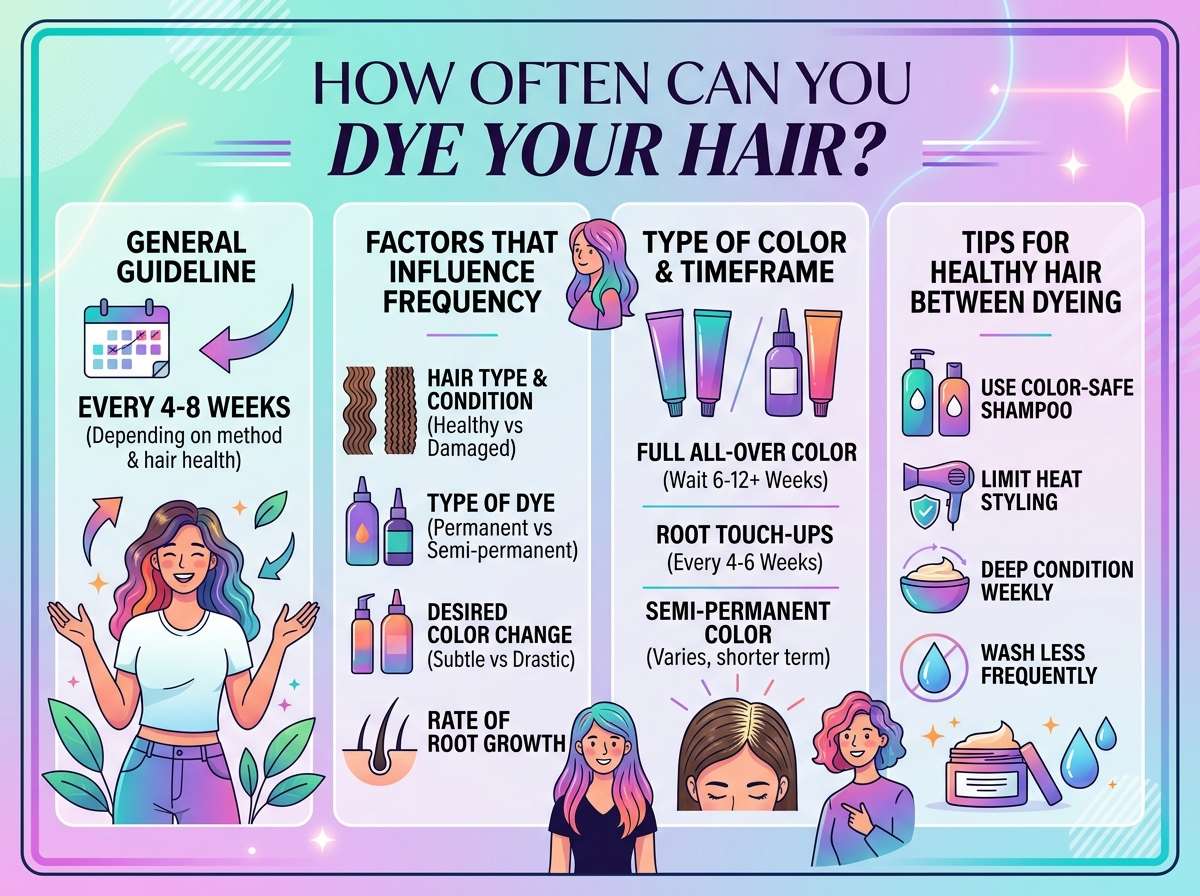
Let’s start with the basic timeline that most hair professionals recommend. For permanent hair color, you should wait at least four to six weeks between full dye jobs. This timeframe gives your hair enough time to recover from the chemicals and rebuild its strength.
Why four to six weeks? When you dye your hair, the color molecules open up your hair’s cuticles and deposit pigment into your strands. This process can be harsh on your hair, especially if you’re making a dramatic color change. Waiting between sessions allows your scalp to produce natural oils that protect your hair and keep it healthy.
If you’re using semi-permanent or demi-permanent dyes, you have more flexibility. These gentler formulas can be applied every two to three weeks without causing major damage. The reason is that semi-permanent dyes sit on the outside of your hair shaft rather than penetrating deeply, making them less harsh overall.
For root touch-ups with permanent color, most stylists recommend waiting six to eight weeks. Your roots grow about half an inch per week, so timing your touch-ups strategically helps you maintain a polished look while keeping your hair healthy.
Understanding Different Types of Hair Dye
Not all hair dyes are created equal. The type you use directly impacts how often you can safely dye your hair. Let’s break down the main categories.
Permanent Hair Dye
Permanent hair color is the strongest option available. It uses chemicals like ammonia and peroxide to open up your hair cuticles and deposit lasting color. Permanent dyes penetrate deep into your hair shaft, which is why they deliver the most dramatic and long-lasting results. They’re perfect if you want to go from dark to light or make a bold color change.
The trade-off is that permanent dyes are the most damaging to your hair. They strip away moisture and can leave your hair feeling dry and brittle if you’re not careful. That’s why you should only apply permanent color every four to six weeks minimum.
Semi-Permanent Hair Dye
Semi-permanent dyes contain little to no ammonia and no peroxide, making them much gentler than permanent options. They sit on the outside of your hair shaft and gradually wash out over time. Semi-permanent dyes usually last six to eight weeks before fading noticeably.
The best part about semi-permanent dyes is that you can refresh them more frequently. Many people apply semi-permanent color every two to three weeks to maintain vibrant color. Since there’s no peroxide opening up your cuticles, your hair stays much healthier overall.
Demi-Permanent Hair Dye
Demi-permanent dye falls somewhere in the middle. It contains a small amount of peroxide but little to no ammonia. This means it opens your cuticles slightly and deposits color that lasts longer than semi-permanent options but isn’t as permanent as permanent color.
Demi-permanent dyes are ideal if you want something that lasts longer than semi-permanent but isn’t as harsh as permanent color. You can typically reapply every three to four weeks without worrying too much about damage.
Temporary Hair Dye
Temporary dyes like hair spray colors, chalks, and direct dyes don’t contain any peroxide or ammonia. They simply coat your hair and wash out with shampooing. You can use temporary dyes as often as you want since they cause zero chemical damage.
The downside is that temporary colors don’t last long and can be less vibrant than other options. They’re perfect for experimenting with colors before committing or for adding fun highlights to your hair.
How Your Hair Type Affects Dyeing Frequency
Your natural hair type plays a major role in how often you should dye your hair. Different textures and conditions require different care levels.
Fine or Thin Hair
Fine hair is delicate and breaks easily. If you have fine hair, you should be extra cautious about dyeing frequency. Limit permanent color to every six to eight weeks, and give your hair extra deep conditioning treatments between sessions. Semi-permanent dyes are often a better choice for fine hair since they’re gentler.
Thick or Coarse Hair
Thick hair can generally handle more frequent coloring than fine hair. Your strands have a thicker cuticle layer, which means they’re more resilient to chemical treatments. You can typically dye thick hair every four to six weeks with permanent color. Many people with thick hair see great results with frequent semi-permanent touch-ups.
Curly or Textured Hair
Curly and textured hair tends to be naturally drier than straight hair. The natural oils from your scalp have a harder time traveling down your curl pattern, so your hair gets drier more easily. If you have curly hair, extend the time between permanent color applications to six to eight weeks. Always use hydrating shampoos and deep conditioning masks between dyeing sessions.
Damaged or Previously Colored Hair
If your hair is already damaged from previous coloring, heat styling, or chemical treatments, you need to be even more careful. Wait at least six to eight weeks between permanent color applications. Consider using semi-permanent dyes instead, and focus on deep conditioning and hair masks to restore moisture and health.
The Hair Dyeing Timeline: Before, During, and After
Understanding what happens to your hair before, during, and after dyeing helps you make better decisions about frequency.
Before You Dye Your Hair
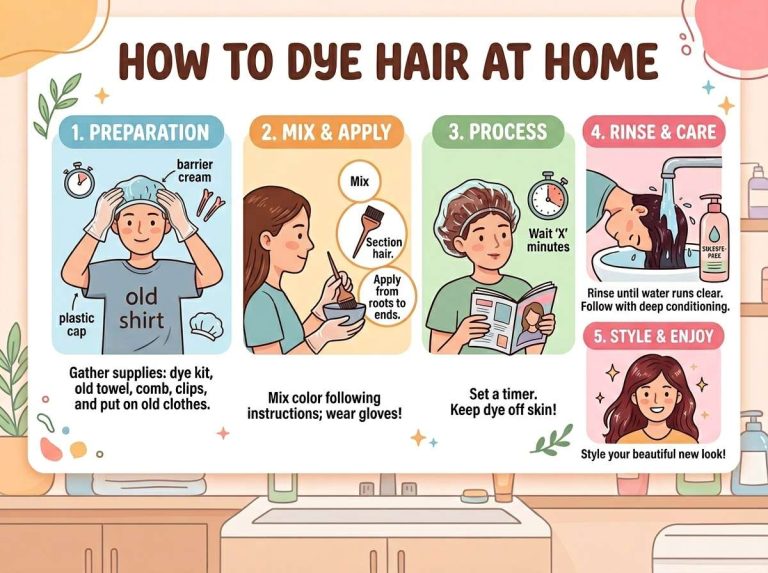
Preparation is everything. Don’t wash your hair for two to three days before dyeing. This allows natural oils to build up on your scalp and hair, creating a protective barrier against the chemicals in hair dye. Your scalp will be less irritated, and your hair will be protected.
If you have very damaged hair, consider doing a deep conditioning treatment or hair mask two days before your dyeing appointment. This gives your hair a moisture boost before the coloring process.
During the Dyeing Process
The actual dyeing process is where the most stress happens to your hair. Professional stylists know how to apply color efficiently to minimize damage. If you’re dyeing at home, follow the instructions carefully and don’t leave the dye on longer than recommended.
When you’re adding permanent color, especially if you’re going lighter, you need to use developer. The strength of the developer determines how much your hair cuticles open. Higher volume developers open cuticles more dramatically, which is why going from dark to blonde requires stronger developer and causes more damage.
After You Dye Your Hair
What you do after dyeing is just as important as the process itself. Your hair is more porous and vulnerable after coloring, so it needs extra care. Rinse with cool water to seal your hair cuticles, which helps lock in the color and protect your hair.
Use color-safe shampoos and conditioners specifically designed for dyed hair. Regular shampoos can be too harsh and strip away color molecules. Wash in cool water when possible, as hot water opens your cuticles and lets color escape.
Deep condition your hair at least once a week after dyeing. Your hair will be thirsty for moisture, and regular conditioning won’t be enough. Look for masks or treatments designed for color-treated hair.
Signs Your Hair Needs a Break from Dyeing
Your hair will tell you when it’s had enough. Learning to recognize the signs helps you avoid serious damage.
Extreme Dryness
If your hair feels straw-like or breaks easily, it’s telling you it needs a break. Dry hair is fragile and prone to splitting and breakage. Stop dyeing temporarily and focus on deep hydration.
Excessive Breakage
Some breakage is normal, but if you’re noticing clumps of hair coming out in your brush, that’s a red flag. This means your hair has become too weak to support its own weight. Take a break from dyeing and see a professional stylist for advice.
Dull, Lifeless Color
If your color looks muddy or dull even right after dyeing, your hair might be too damaged to hold color properly. This is often a sign you need to wait longer between dye sessions.
Scalp Irritation or Itching
Persistent itching or irritation on your scalp means your skin is reacting negatively to hair dye chemicals. Space out your dye sessions further and do a patch test before each application.
Split Ends
Split ends happen naturally over time, but if you’re getting them quickly after dyeing, your hair is too fragile. Extend the time between color applications and get regular trims.
Hair Care Tips to Extend Time Between Dye Jobs
Want to dye your hair more often without damage? Focus on excellent hair care between sessions. Healthy hair can handle more frequent coloring.
Deep Condition Regularly
Don’t just condition your hair during your shower. Use a weekly deep conditioning mask or treatment. Look for products with hydrating ingredients like coconut oil, argan oil, or shea butter. Leave these treatments on for at least ten minutes or overnight if possible.
Minimize Heat Styling
Heat from blow dryers, straighteners, and curling irons opens your hair cuticles and causes dryness. Let your hair air dry when possible. When you do use heat tools, always apply a heat protectant spray first.
Get Regular Trims
Trim your hair every six to eight weeks, even if you’re not changing the length. Regular trims remove split ends and keep your hair looking healthy. Healthy hair holds color better and looks more vibrant.
Use Color-Safe Products
Invest in shampoos and conditioners specifically designed for color-treated hair. These formulas are gentler and won’t strip away your color. They’re worth the extra cost since they help your color last longer and keep your hair healthier.
Avoid Chlorine and Saltwater
Chlorine from pools and salt from ocean water can strip away color and cause dryness. If you’re going swimming, wet your hair with fresh water first and apply a leave-in conditioner. This creates a barrier that prevents your hair from absorbing as much chlorine or salt.
Protect Your Hair While Sleeping
Friction from cotton pillowcases can damage your hair and cause frizz. Sleep on a silk or satin pillowcase instead. You can also wrap your hair in a silk scarf or bonnet to protect it while you sleep.
Touch-Ups vs. Full Color Applications
Understanding the difference between touch-ups and full color helps you plan your dyeing schedule better.
Root Touch-Ups
Root touch-ups target only the new growth at your scalp. This is less damaging than dyeing your entire head because you’re applying chemicals to a smaller area and for a shorter time. Most stylists recommend root touch-ups every six to eight weeks for permanent color.
You can do root touch-ups more frequently than full color applications because you’re not repeatedly processing the same hair. Many people do root touch-ups every four weeks without major problems, especially if they’re using demi-permanent or semi-permanent color on the roots.
Full Color Applications
Full color means applying dye to your entire head, including hair that’s already been dyed before. This is more damaging because you’re exposing previously colored hair to chemicals again. That’s why you should only do full color applications every eight to twelve weeks, even if you’re using semi-permanent dyes.
Special Situations: Bleaching and Going Blonde
If you’re planning to go blonde or very light, you need to understand bleaching. Bleach is much stronger than regular dye and requires special considerations.
Bleaching removes all pigment from your hair, which is why it’s so damaging. If you want to go from dark hair to blonde, you might need multiple bleaching sessions spaced weeks apart. Never bleach your hair more than once every two weeks, and ideally wait three to four weeks between sessions.
Many stylists recommend waiting between each bleaching session to assess your hair’s condition. You might need protein treatments or a cut to remove overly damaged ends. Going platinum blonde is a process that takes time, and rushing it will result in fried, damaged hair.
When to See a Professional Stylist
While home dyeing can work fine for maintenance, certain situations call for a professional.
See a professional stylist if you’re making a major color change, especially going lighter. Professionals understand color theory and can mix custom shades to minimize damage. They also know how to use developer strength appropriately for your hair type.
If your hair is already damaged or you have a sensitive scalp, a professional can do a strand test and patch test to ensure the dye won’t cause problems. They can also give you personalized advice about how often you can safely dye your specific hair.
If you notice signs of serious damage like extreme breakage or chemical burns on your scalp, definitely see a professional. They can assess the damage and recommend treatments or cuts to restore your hair’s health.
DIY Hair Dyeing: Safety Tips
If you’re dyeing your hair at home, follow these safety guidelines to minimize damage.
Always do a patch test forty-eight hours before dyeing. Apply a small amount of dye behind your ear or on the inside of your elbow to check for allergic reactions. Just because you’ve used a dye before doesn’t mean you won’t react to it in the future.
Read all instructions carefully and follow the timing exactly. Don’t leave dye on longer than recommended, thinking it will make the color darker or more vibrant. Leaving dye on too long only increases damage without improving results.
Protect your skin by applying petroleum jelly along your hairline, ears, and neck. This prevents staining and reduces skin irritation. Wear old clothes and use an old towel since dye can stain.
If you’re using powder bleach, mix it with developer in the correct ratio. Using too much or too little developer changes how the bleach works and can damage your hair or scalp.
Budget-Friendly Options for Frequent Hair Color Changes
If you love changing your hair color but don’t want to spend a fortune on dyes, you have options.
Temporary dyes and hair chalks are incredibly cheap and can be applied as often as you want. They’re perfect for trying out new colors before committing. You can experiment with fun shades like pink, purple, or blue without worrying about damage or permanence.
Root touch-up sprays are another budget-friendly option. These temporary sprays cover your roots between dye sessions and wash out with your next shampoo. They’re great if you want to extend the time between full dye applications.
Semi-permanent dyes are usually cheaper than permanent ones and can be applied more frequently. If you buy in bulk or during sales, you can maintain vibrant color without breaking the bank.
Common Hair Dyeing Myths Debunked
Let’s clear up some misconceptions about hair dyeing that might be affecting your decisions.
Myth: You Can Dye Your Hair Every Week
False. Even semi-permanent dyes shouldn’t be applied more than every two to three weeks. Dyeing that frequently will damage your hair, no matter what type of dye you use.
Myth: Washing Your Hair More Often Removes Dye
True, but not in the way you think. Washing with regular shampoo does fade color faster than using color-safe products. However, skipping shampoos entirely isn’t the answer. Use color-safe shampoos, and you can wash as needed without destroying your color.
Myth: All Hair Dyes Are the Same
False. Permanent, demi-permanent, semi-permanent, and temporary dyes are completely different in terms of how they work and how often you can use them. The type matters hugely.
Myth: Your Hair Gets Used to Dye Over Time
False. If anything, your hair gets more damaged over time if you dye it frequently. There’s no adaptation period. Older colored hair is more fragile, not more resilient.
Myth: You Must Wait Two Weeks Between Any Dyeing
Not necessarily. You can do root-only touch-ups every four to six weeks without waiting additional time. It’s full applications to previously dyed hair that require longer spacing.
The Bottom Line: Finding Your Ideal Dyeing Schedule
Here’s what you need to remember about how often you can dye your hair:
For permanent color, wait at least four to six weeks between applications. For semi-permanent, you can go every two to three weeks. Your specific hair type, condition, and the type of dye you use all affect this timeline.
Pay attention to how your hair responds. If it feels healthy and looks vibrant, you’re probably on the right schedule. If you notice dryness, breakage, or dullness, space out your dye sessions longer.
Invest in quality hair care products designed for color-treated hair. Deep condition weekly, minimize heat styling, and get regular trims. Taking care of your hair between dye sessions is just as important as the dye application itself.
If you’re making dramatic color changes or have damaged hair, see a professional stylist who can assess your specific situation and give personalized advice.
Finally, remember that healthy hair is beautiful hair, no matter what color it is. If you have to choose between maintaining a color and keeping your hair healthy, always choose health. Damaged hair looks worse than any color could make it look better.
Your hair is an investment worth protecting, so dye responsibly and take great care of your locks. With the right approach, you can enjoy beautiful color without sacrificing your hair’s health and integrity.
Mary is a fashion enthusiast and lifestyle writer who loves discovering stylish clothing, accessories, and everyday fashion essentials. She enjoys researching the latest trends, reviewing popular products, and sharing practical style tips to help readers dress with confidence. Through FashionSolve.com, Mary provides honest recommendations, fashion guides, and inspiration for building a wardrobe that is both stylish and affordable.