How to Fix Broken Hair?
Broken hair can make you feel like you lost a part of yourself. You look in the mirror and see split ends, frizz, and dry strands that snap the moment you brush them. It feels frustrating, but here is the good news: broken hair can heal. You do not need fancy salon treatments or a huge budget. You just need the right steps, done the right way, again and again.
This guide walks you through everything you need to know. We will talk about why hair breaks in the first place, how to spot the damage, and the exact fixes that bring your hair back to life. Everything here is written in plain, simple words so anyone can follow along, even if you have never dealt with hair damage before.
Let’s get into it.
Why Does Hair Break in the First Place?
Before you fix a problem, it helps to know why it happens. Hair breakage usually comes from a mix of habits and outside damage. Here are the most common causes.
Too Much Heat Styling
Blow dryers, flat irons, and curling wands feel great in the moment, but they strip moisture from your strands. Over time, this makes hair dry, brittle, and weak. When hair loses its natural moisture, it snaps much easier.
Chemical Treatments
Dyeing, bleaching, relaxing, and perming all change the structure of your hair. These treatments open up the hair cuticle (the outer layer that protects each strand) and this leaves your hair open to damage. If you do these treatments often, without giving your hair a break, breakage becomes almost impossible to avoid.
Rough Handling
Brushing wet hair with a hard brush, tying it too tight, or rubbing it hard with a towel can cause a lot of harm. Wet hair is soft and stretchy, so it snaps far more easily than dry hair.
Lack of Moisture
Dry hair is weak hair. If your strands do not get enough hydration, they become fragile and prone to snapping. This is especially true in dry weather or if you wash your hair with harsh shampoos.
Poor Diet and Health
Your hair reflects what is going on inside your body. Low protein, low iron, or a lack of vitamins can all lead to weak, thin, and breakage-prone hair. Stress also plays a role, since it can push hair into a shedding phase.
Environmental Damage
Sun exposure, chlorine from pools, salt water, and pollution all wear down the hair shaft. Over time, this exposure adds up and leaves hair looking dull, dry, and damaged.
Now that you know the causes, let’s talk about how to spot broken hair versus other hair issues like shedding or thinning.
How to Tell If Your Hair Is Actually Broken
Sometimes people confuse breakage with normal shedding or hair loss. Here is a simple way to tell the difference.
- Broken hair has short pieces of hair, often with no root (white bulb) at the end. You might notice these short strands sticking up around your head or scattered on your pillow.
- Shedding hair has a small white bulb at the root. This is normal and happens as part of your hair’s natural growth cycle.
- Split ends show two or more strands splitting apart at the tip. This is a clear sign of damage from heat, chemicals, or dryness.
- Frizz and flyaways happen when the hair cuticle is rough and raised instead of smooth and flat.
If you notice a lot of short pieces of hair with no root, that is a strong sign your hair is breaking rather than shedding naturally. Once you know this, you can move on to fixing it.
Step 1: Trim the Damaged Ends
This might sound like the opposite of growing longer hair, but trimming is the first and most important step. Split ends do not heal on their own. If you leave them, the split travels up the strand and causes more damage over time.
Ask your stylist for a simple trim to remove split and broken ends, or if you feel confident, do it yourself with sharp hair scissors. Do not use regular scissors, since they are not made for cutting hair and can cause even more split ends.
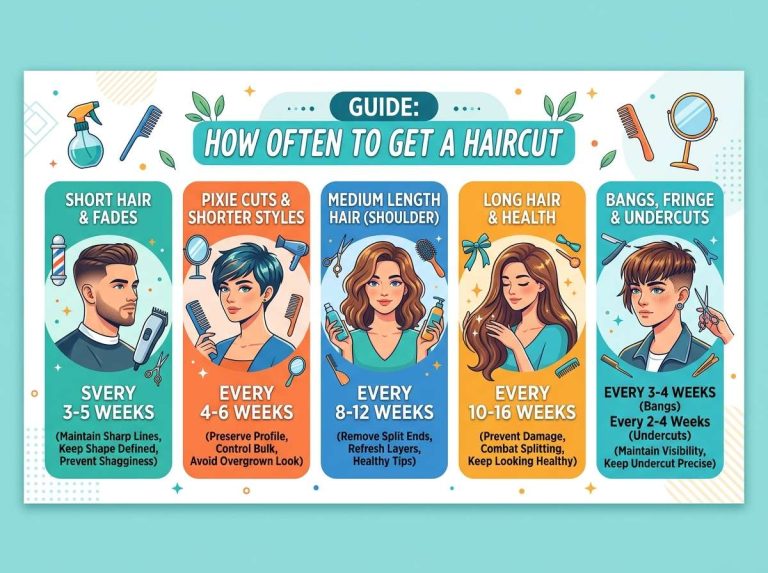
A trim every couple of months keeps your ends healthy and stops small damage from turning into big damage.
Step 2: Switch to a Gentle, Sulfate-Free Shampoo
Many shampoos contain sulfates, which are strong cleansing agents that strip natural oils from your scalp and hair. This leaves hair dry and more likely to snap.
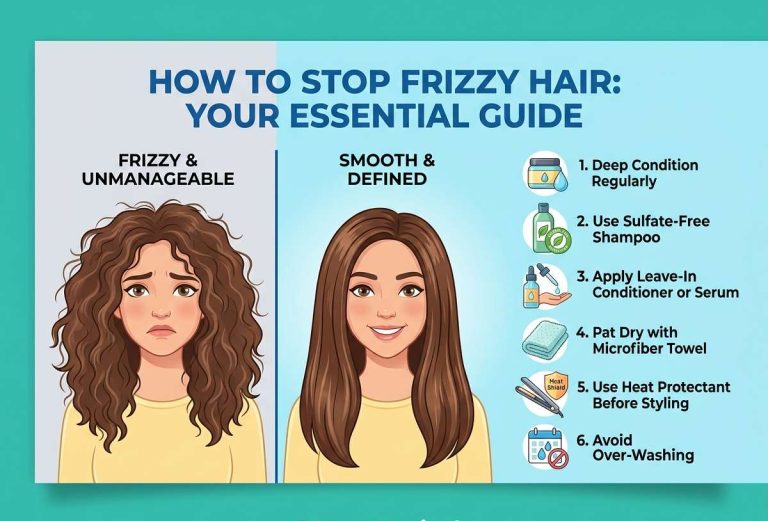
Look for a shampoo labeled sulfate-free. These formulas clean your hair without stripping away the moisture it needs. Also, try to wash your hair less often. Washing every day removes natural oils that protect your strands. Two to three times a week is often enough for most hair types.
When you shampoo, focus on your scalp, not the ends of your hair. Your scalp needs cleaning the most, and the shampoo will naturally rinse down through the rest of your hair as you wash it out.
Step 3: Deep Condition Regularly
Conditioner is not optional if you want to fix broken hair. It restores moisture, smooths the cuticle, and makes hair more flexible so it bends instead of breaking.
Use a regular conditioner after every wash, and add a deep conditioning treatment once a week. Deep conditioners have thicker formulas that sit on the hair longer, giving strands time to soak up moisture and repair proteins.
Apply the conditioner mostly to the mid-lengths and ends of your hair, since these areas are older and more damaged than the hair near your scalp. Leave it in for the time listed on the product, then rinse with cool water. Cool water helps close the hair cuticle, locking in the moisture you just added.
Step 4: Add Protein Treatments to Your Routine
Hair is made mostly of a protein called keratin. When hair is damaged, it often loses protein along with moisture. This is why protein treatments matter so much for repair.
Look for hair masks or treatments with ingredients like keratin, collagen, or amino acids. Use a protein treatment once every one or two weeks, depending on how damaged your hair feels. Too much protein can actually make hair stiff and brittle, so balance is key. If your hair feels hard or straw-like after a treatment, cut back and focus more on moisture instead.
A good rule to follow is this: if your hair feels weak and stretchy, it needs protein. If it feels dry and stiff, it needs moisture. Learning to read these signs helps you give your hair exactly what it needs.
Step 5: Cut Down on Heat Styling
This step is simple but hard for many people to follow. Heat tools are one of the biggest reasons hair breaks. Try to give your hair a break from blow dryers, straighteners, and curling irons as much as you can.
When you do use heat, always apply a heat protectant spray first. This creates a barrier between the heat tool and your hair, reducing damage. Also, keep your styling tools on a lower setting. High heat feels like it works faster, but it causes way more harm in the long run.
Air-drying your hair, or using a microfiber towel to gently squeeze out water, is a much gentler option than a blow dryer. If you must blow dry, use the cool setting when you can.
Step 6: Handle Wet Hair with Care
Wet hair is fragile, so how you treat it right after a shower matters a lot. Avoid rubbing your hair hard with a towel, since this creates friction that leads to breakage and frizz. Instead, gently squeeze out extra water with a soft towel or an old t-shirt.
When brushing wet hair, use a wide-tooth comb instead of a regular brush. Start from the ends and work your way up slowly, removing tangles bit by bit instead of tugging through them all at once. This small change alone can cut down on a lot of breakage.
Step 7: Use Hair Oils to Seal in Moisture
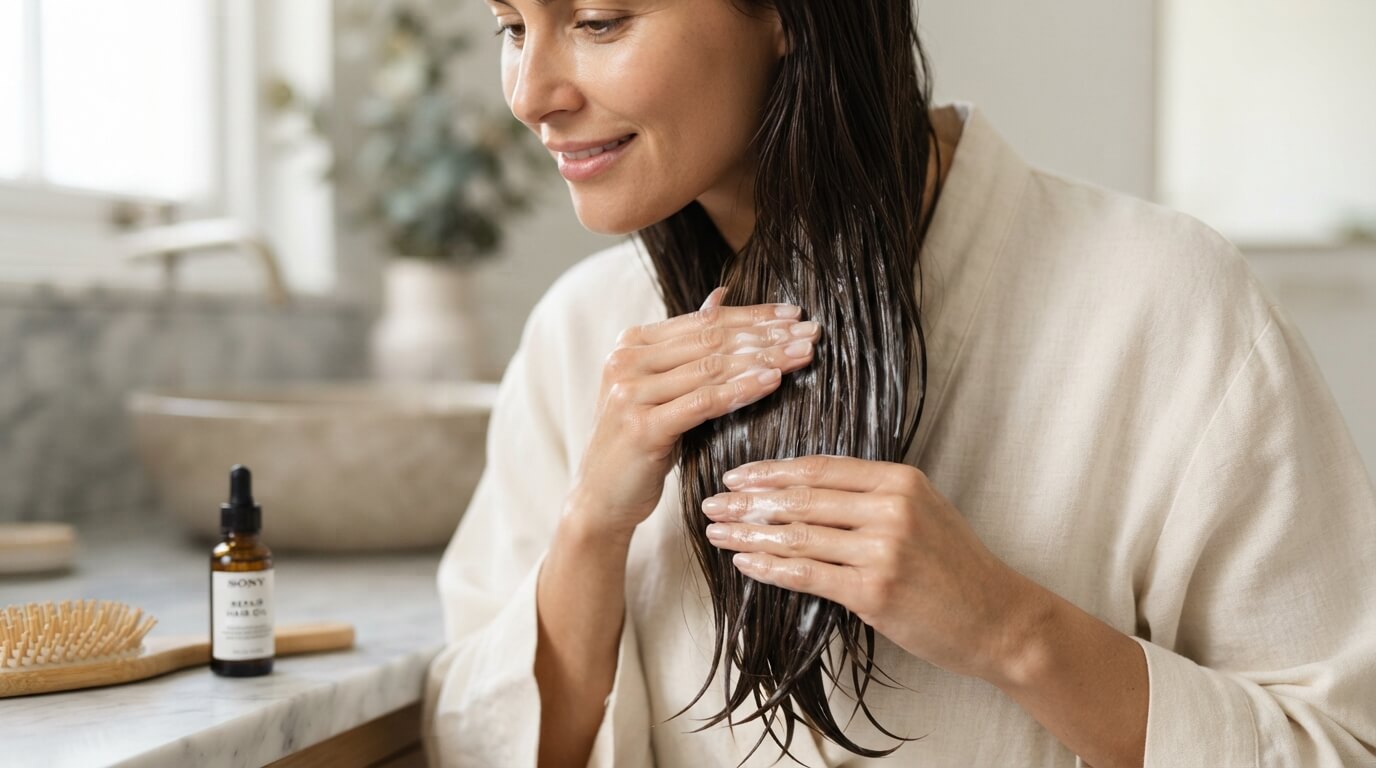
Natural oils like coconut oil, argan oil, and jojoba oil can do wonders for damaged hair. They help seal in moisture, smooth the hair cuticle, and add shine back to dull strands.
You can apply oil in a few different ways:
- As a pre-wash treatment, applied before you shampoo to protect hair during washing
- As a leave-in treatment on damp hair to lock in moisture
- As a light touch-up on dry ends throughout the day to control frizz
A little goes a long way with hair oil. Start with a small amount and add more if needed, since too much oil can leave hair looking greasy.
Step 8: Sleep on a Silk or Satin Pillowcase
This tip sounds small, but it makes a real difference. Cotton pillowcases create friction against your hair while you sleep, which leads to tangles, frizz, and breakage over time. Silk and satin pillowcases are much smoother, so your hair glides instead of catching and snapping.
If a silk pillowcase feels like too much of an investment right now, a silk or satin bonnet works just as well and costs less.
Step 9: Eat Foods That Support Hair Health
Since hair damage often starts from the inside, your diet plays a bigger role than most people think. Add these foods to your meals to give your hair the building blocks it needs:
- Eggs: Rich in protein and biotin, both important for strong hair
- Spinach and leafy greens: Full of iron and vitamins that support hair growth
- Nuts and seeds: Packed with healthy fats and vitamin E
- Fish like salmon: A great source of omega-3 fatty acids
- Sweet potatoes: High in beta-carotene, which the body turns into vitamin A
Drinking enough water also matters. Hydration affects your whole body, hair included. Dry, dehydrated bodies often produce dry, brittle hair.
Step 10: Be Gentle with Styling Choices
Tight ponytails, braids, and buns pull on your hair and scalp, causing a type of damage called traction alopecia over time. Try to switch up your hairstyles and avoid pulling your hair too tight every day.
Use soft hair ties instead of ones with metal parts, since metal can snag and pull on strands. When you do style your hair tightly, give it breaks in between so your scalp and strands can recover.
Step 11: Protect Your Hair from the Sun and Chlorine
Just like skin, hair can get damaged from sun exposure. UV rays break down the proteins in your hair, leading to dryness and weakness. If you spend a lot of time outside, wear a hat or use hair products with UV protection.
Chlorine from swimming pools and salt from ocean water can also strip moisture and cause damage. Before swimming, wet your hair with clean water and apply a leave-in conditioner or oil. This creates a barrier that reduces how much chlorine or salt your hair actually absorbs. After swimming, rinse and condition your hair right away.
Step 12: Reduce Chemical Treatments
If your hair is already damaged, give it a break from dyeing, bleaching, relaxing, or perming for a while. Each of these treatments adds more stress to hair that is already struggling to repair itself.
If you must color your hair, talk to your stylist about gentler options, like semi-permanent dyes or treatments that include bond-building ingredients. These help protect the internal structure of your hair while still giving you the color you want.
Step 13: Be Patient and Consistent
Hair does not repair overnight. The damaged parts of your hair, especially split ends, cannot be fully healed once they happen, which is why trimming matters so much. But new hair growing in can come in stronger and healthier if you stick to good habits.
Give your routine at least a few weeks before expecting big changes. Hair grows slowly, so results take time to show. Stay consistent with washing gently, conditioning regularly, eating well, and protecting your hair from heat and friction. Small daily habits add up to big results over time.
Common Mistakes That Slow Down Repair
Even with good intentions, some habits can quietly undo your progress. Watch out for these common mistakes.
Overwashing your hair: Washing too often strips natural oils and dries out your strands.
Skipping conditioner: Shampoo alone is not enough. Conditioner replaces moisture and smooths the hair cuticle.
Using the wrong brush: Hard, tight-bristled brushes pull and snap fragile strands. Switch to a wide-tooth comb or a brush made for detangling.
Ignoring heat protectant: Skipping this step, even for a “quick” style, adds up over time and increases damage.
Rough towel drying: Rubbing hair hard with a towel creates friction, which leads to more breakage and frizz.
Overdoing protein treatments: Too much protein without enough moisture can make hair stiff and prone to snapping.
A Simple Weekly Routine to Follow
Here is an easy routine you can follow to bring your hair back to health.
Two to three times a week: Wash with a sulfate-free shampoo, followed by a nourishing conditioner.
Once a week: Use a deep conditioning hair mask, focusing on the mid-lengths and ends.
Once every one or two weeks: Apply a protein treatment if your hair feels weak or stretchy.
Daily: Apply a small amount of hair oil to the ends, use a heat protectant before styling, and sleep on a silk or satin pillowcase.
Every eight to ten weeks: Get a trim to remove split ends and stop damage from spreading further up the strand.
This simple, repeatable routine gives your hair everything it needs to recover, without overloading it with too many products or treatments.
When to See a Professional
If your hair breakage feels severe, or if you notice bald patches, sudden hair loss, or a lot of thinning along with the breakage, it is a good idea to talk to a dermatologist or trichologist (a specialist in hair and scalp health). Sometimes breakage is linked to health conditions like thyroid issues, hormone imbalances, or nutrient deficiencies, and a professional can help you figure out the real cause.
A stylist can also help by giving your hair a proper trim and recommending products suited to your specific hair type and level of damage.
Final Thoughts
Fixing broken hair takes patience, but it is absolutely possible with the right steps. Start with a trim to remove existing damage, switch to gentle products, add moisture and protein where needed, and protect your hair from heat, friction, and the sun. Small changes in your daily routine can lead to big improvements over time.
Your hair has an amazing ability to heal and grow strong again. Stay consistent, be gentle with your strands, and give your body the nutrients it needs from the inside out. Before long, you will notice smoother, stronger, and healthier hair looking back at you in the mirror.
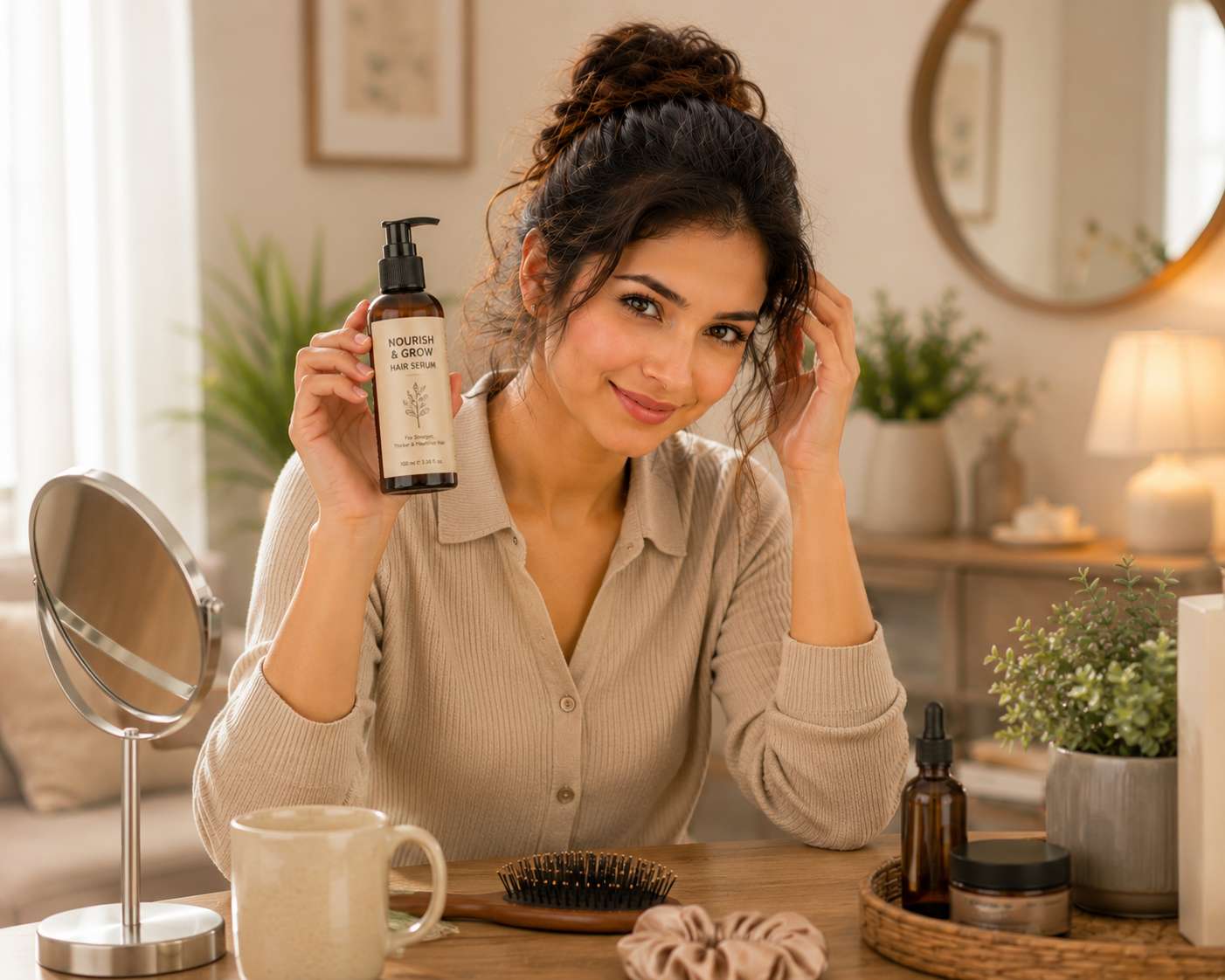
Mary is a fashion enthusiast and lifestyle writer who loves discovering stylish clothing, accessories, and everyday fashion essentials. She enjoys researching the latest trends, reviewing popular products, and sharing practical style tips to help readers dress with confidence. Through FashionSolve.com, Mary provides honest recommendations, fashion guides, and inspiration for building a wardrobe that is both stylish and affordable.