
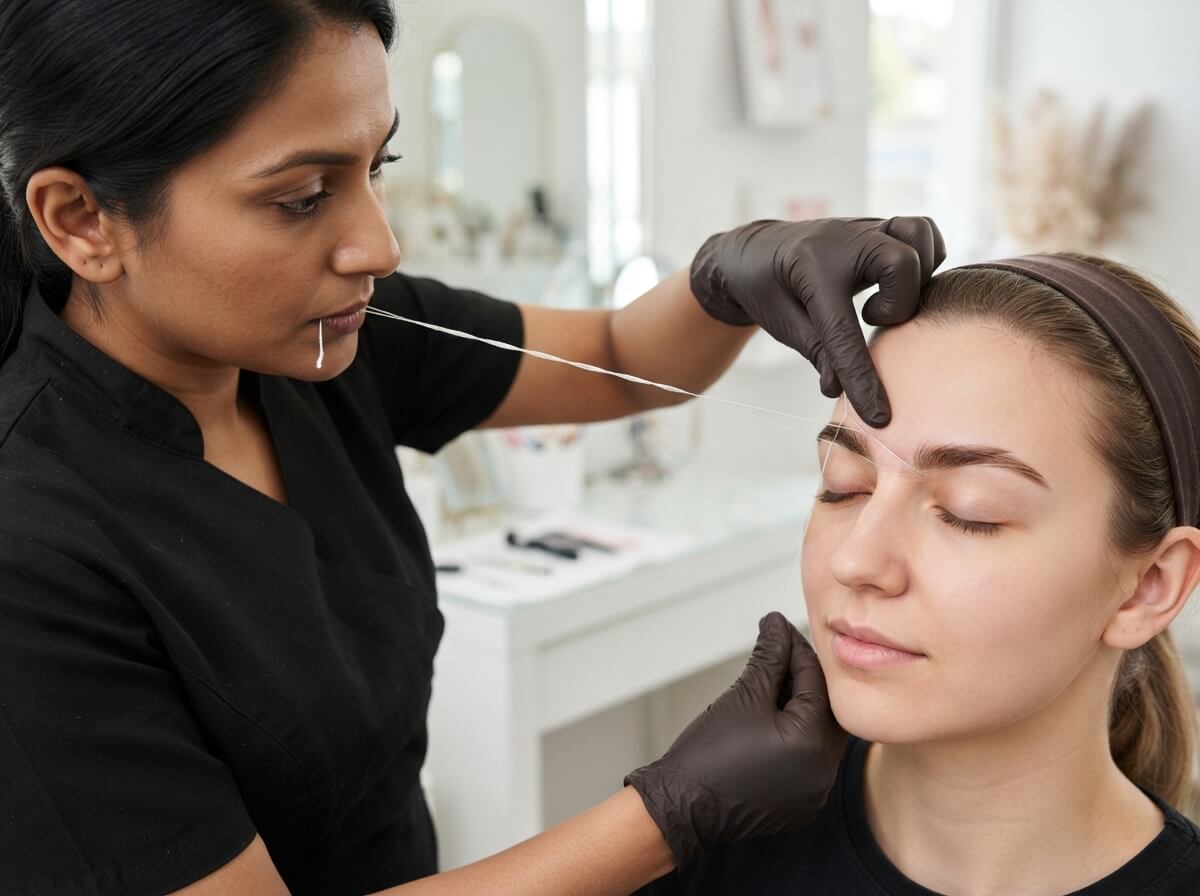
How to Thread Eyebrows?
Threading eyebrows might sound intimidating if you’ve never done it before, but it’s actually one of the easiest and most effective ways to shape your brows at home. If you’re tired of paying for expensive salon visits or you want to touch up your eyebrows between appointments, this guide will walk you through every single step. Let’s dive in and learn how to thread eyebrows like a pro.
What is Eyebrow Threading?
Eyebrow threading is an ancient hair removal technique that comes from the Middle East, South Asia, and India. Instead of plucking individual hairs or using wax, threading uses twisted thread to grab and pull out unwanted hair from the root. The method gives you clean, precise lines that make your eyebrows look sharp and defined.
The beauty of facial threading is that it works on all skin types. Whether you have sensitive skin, oily skin, dry skin, or combination skin, threading won’t irritate you like waxing can. You won’t get the redness or bumps that sometimes show up after other hair removal methods either.
Why Choose Threading Over Other Methods?
When it comes to eyebrow shaping, you have several options. You can pluck, wax, use depilatory creams, or thread. So why is threading becoming so popular?
Threading offers precision that’s hard to beat. The thread creates a clean line because you can see exactly which hairs you’re grabbing. You get more control than you do with waxing, and it’s much faster than plucking every single hair by hand.
Threading also removes hair from the root, just like plucking and waxing do. This means your results last longer than shaving would. Most people see results that last three to four weeks before new hair starts growing back in.
The method is also gentle on delicate facial skin. Since thread only touches the hair and not much of your skin, you won’t experience the irritation that comes with wax or harsh chemicals. This makes threading perfect if you have rosacea, eczema, or other skin conditions that need care.
Plus, threading costs way less than salon visits. Once you buy thread, you can do it over and over again for just pennies. A single spool of thread might only cost one or two dollars and lasts for months.
What You Need to Get Started
Before you begin the eyebrow threading process, gather your supplies. You don’t need much at all. Here’s what you’ll want to have on hand:
Thread: Get 100% cotton thread in black or dark colors. The color helps you see the thread better against your skin. You need thread that’s strong enough to pull out hair but not so thick that it feels rough. Regular sewing thread works great. Avoid cheap thread that breaks easily.
Good Lighting: Find a bright space where you can see your face clearly. Natural daylight near a window is best. If you’re indoors, use a bright lamp or a vanity light. Poor lighting leads to mistakes, so don’t skip this step.
A Mirror: Get a good quality mirror that shows your whole face. Some people like to use a small handheld mirror in addition to a wall mirror so they can see different angles. You want to catch all the stray hairs.
Tweezers: Keep tweezers nearby to catch any hair that the thread misses. Regular tweezers work fine for cleanup.
Rubbing Alcohol: Use this to clean the thread before you start. This keeps everything sanitary and prevents infections or bumps.
Moisturizer or Aftercare Product: Have something ready to soothe your skin after threading. A light moisturizer or aloe vera gel works well. Skip anything with fragrance or harsh chemicals right after threading.
Step-by-Step Instructions for Threading Your Eyebrows
Now let’s get into the actual process. Threading might feel awkward the first time you try it, but you’ll get the hang of it with practice.
Step 1: Clean Your Space and Hands
Start by washing your hands well with soap and water. You want clean hands before you touch your face. Wipe down your mirror too so you can see clearly without smudges.
Step 2: Prepare Your Thread
Cut about 18 to 24 inches of thread from your spool. This length gives you plenty to work with. Tie the two ends together to make a loop. The loop size matters. You want it big enough to fit your hands through comfortably but not so huge that you can’t control it.
Clean your thread with rubbing alcohol or a clean cloth. This gets rid of any dust or lint that might stick to your skin.
Step 3: Get Into Position
Sit or stand in front of your mirror with good lighting. Hold the thread loop up to your face. Put your thumbs and forefingers through the loop. Your other fingers should rest and be ready to help you balance.
Your hands should be at about eye level, roughly eight to twelve inches from your face. You need enough distance to see what you’re doing but close enough to have control.
Step 4: Start Threading
This is the tricky part, so take your time. Twist the middle part of the thread so you make an X shape. The twisted part is what catches the hair.
Position the twisted section just below the hair you want to remove. Start with the lower edge of your eyebrow. Gently move the twisted thread up and down in small motions. The twisting action grabs the hairs and pulls them out.
You’ll hear a tiny plucking sound when the hair comes out. That’s normal. Don’t jump or pull away. Keep your hand steady and let the thread do the work.
Step 5: Work in Sections
Move along your eyebrow slowly. Don’t try to remove all the hair in one motion. Threading works best when you do it inch by inch. This gives you better control and a cleaner line.
Work from the inner part of your eyebrow toward the arch. This is usually easier because the hairs are finer here. Then move to the arch and finally to the tail of your eyebrow.
Step 6: Thread the Upper Line
Once you finish the bottom line, flip your hand position and thread the top line of your eyebrow. This removes the hair above your brow and helps create shape. Use the same twisting motion and small movements.
The top line takes more care because one mistake shows easily. Go slow and steady.
Step 7: Clean Up Stray Hairs
After threading both the top and bottom lines, look for any hairs the thread missed. This happens sometimes, especially with very fine or short hairs. Use your tweezers to pluck these stragglers one by one.
Step 8: Do Your Other Eyebrow
Repeat the whole process on your other eyebrow. Try to match the shape and thickness of your first brow. It’s okay if they’re not perfect mirror images. Most people’s eyebrows are naturally a little different from each other.
Step 9: Apply Aftercare
Once you finish both eyebrows, splash your face with cool water. This soothes the skin and closes your pores. Pat your skin dry gently.
Apply your moisturizer or aftercare product. Use light tapping motions instead of rubbing. Your skin is sensitive right now, so be gentle. Avoid heavy makeup for the rest of the day if you can.
How to Get Better Results with Eyebrow Shaping
Threading is a skill that gets better with practice. Your first attempt might not be perfect, and that’s completely fine. Here are some tips to improve your eyebrow threading technique.
Go Slowly: Speed leads to mistakes. Threading is not a race. Take your time and focus on getting clean lines rather than finishing fast.
Use Proper Lighting: This cannot be overstated. Bad lighting makes you miss hairs or remove hair you wanted to keep. Invest in good light.
Keep Your Hands Steady: Shaky hands lead to messy results. Rest your arms on a table or lean your face against a headrest if that helps you stay still.
Don’t Remove Too Much Hair: It’s easier to remove more hair later than to put it back. When you’re learning, be conservative. You can always take out more hair next time if you want a different shape.
Practice the Twisting Motion: The twist is what makes threading work. Practice making the X shape with your thread until it feels natural. Watch videos online if you need a visual guide to understand the motion better.
Find Your Natural Brow Shape: Your eyebrows have a natural shape based on your face structure. Work with that shape rather than fighting it. Threading is perfect for enhancing your natural brows.
Take Before and After Pictures: Photos help you see your progress. Compare them to spot areas that need improvement.
Common Mistakes to Avoid
Even experienced people mess up sometimes. Here are the common eyebrow threading mistakes that beginners make, so you can learn from them without having to make them yourself.
Threading Too High: If you remove hair too high up, you end up with an arch that’s too steep. Start lower than you think you need to and work your way up.
Using Weak Thread: Cheap thread breaks easily and won’t grab hair properly. Invest in decent quality thread. It makes a huge difference.
Not Holding the Thread Tight: The thread needs tension to work. If you hold it too loosely, it won’t grab the hair. Practice getting the right amount of tightness.
Threading While Your Skin Is Wet: Wait for your skin to dry completely before threading. Wet skin makes it hard for the thread to grab hair properly.
Not Cleaning Your Tools: Always start with clean hands and thread. Dirty tools can cause infections or bumps.
Going Too Fast: This is the biggest mistake. Rushing leads to uneven results and missing patches. Slow down and focus.
Ignoring Your Natural Hair Growth Pattern: Hair doesn’t grow straight up. It grows at angles. Thread in the direction of hair growth for better results.
Threading vs. Other Hair Removal Methods
You might wonder how threading compares to plucking, waxing, or other popular eyebrow removal techniques. Each method has pros and cons.
Threading vs. Plucking: Threading is faster than plucking once you get good at it. Threading removes multiple hairs at once, while plucking takes one hair at a time. Both work great for detail work and creating clean lines. Plucking hurts a bit more for most people.
Threading vs. Waxing: Threading is gentler on sensitive skin than waxing. Waxing covers a larger area faster, but it can cause irritation and bumps. Threading gives you more precise control. Wax also removes hair from a wider area, which might remove hairs you want to keep.
Threading vs. Shaving: Threading removes hair from the root, so results last longer than shaving. Shaving is faster, but your hair grows back in just a few days with a dark stubble. Threading results last three to four weeks.
Threading vs. Depilatory Creams: Creams work quickly but can irritate skin and smell bad. Threading doesn’t involve chemicals, so it’s better for sensitive skin. Creams can also weaken fine hairs over time, while threading doesn’t damage your hair.
How Long Do Threading Results Last?
After you finish threading your eyebrows, you probably want to know how long your new shape will last. Most people see results that stay looking good for three to four weeks. Some people get five weeks if their hair grows slowly.
Hair regrows at different rates for different people. Factors like age, genetics, hormones, and diet affect how fast your hair grows back. Younger people usually see regrowth faster than older people. Some medications can also speed up hair growth.
The good news is that as you keep threading, the hair might grow back finer and less dense. This happens because you’re constantly removing hair from the root. Over time, some hair follicles might stop producing hair altogether, so you get less regrowth.
Tips for Maintaining Your Threaded Eyebrows
Once you thread your eyebrows, you want them to look perfect for as long as possible. Here’s how to keep them looking sharp.
Avoid Touching Your Brows: It’s tempting to play with them or rub them, but this can cause irritation. Keep your hands away for at least 24 hours after threading.
Skip Makeup for a Few Hours: Give your skin time to settle before you apply makeup. At least wait a few hours after threading.
Use Sunscreen: The area around your eyebrows gets sun exposure too. Protect it with sunscreen to prevent premature aging and irritation.
Keep Your Skin Hydrated: Drink plenty of water and use moisturizer. Hydrated skin is healthier skin.
Avoid Harsh Products: Don’t use strong exfoliants or chemical peels on your eyebrow area for at least a week after threading.
Brush Your Brows: Use a clean spoolie brush or old mascara wand to brush your eyebrows in the direction they grow. This keeps them neat and trains them to grow in the right direction.
Don’t Overthink the Shape: Remember that eyebrows are sisters, not twins. Small differences between them look natural. Don’t drive yourself crazy trying to make them perfect.
Safety Concerns and When to See a Professional
Threading is generally very safe when you do it correctly. That said, there are a few things to watch out for. If you have very sensitive skin or skin conditions like severe acne, rosacea, or eczema, ask your doctor before threading at home.
Some people develop small bumps or mild redness after threading. This usually goes away within a few hours. If it doesn’t improve within 24 hours or if you see signs of infection like pus or heat, see a doctor.
If you feel unsure about threading at home, there’s no shame in going to a professional. Many salons offer eyebrow threading services. Getting one or two professional threading sessions first can show you the technique and help you see what a well-threaded eyebrow looks like. Then you can maintain it at home yourself.
If you have very thick eyebrows, a very dark complexion, or special shape requests, professionals might do a better job than you can do on yourself. That’s okay. Threading is a skill that takes practice, and it’s fine to outsource it if you want.
Troubleshooting Common Issues
Things don’t always go perfectly, and that’s fine. Here’s how to fix common problems.
Hair Won’t Come Out: Your thread might not be twisted tight enough, or the thread itself might be weak. Try twisting the X shape tighter and using better quality thread.
Too Much Redness: This usually means you’re threading too aggressively. Use lighter pressure and move slower. Apply cool water and moisturizer.
Uneven Results: One eyebrow looks different from the other. This happens as you learn. Look at both brows and use tweezers to make small adjustments to match them better.
Thread Breaks Constantly: Your thread is poor quality or you’re pulling too hard. Get better thread and use gentler, more controlled motions.
Eyebrow Hurts: Some sensitivity is normal, but it shouldn’t hurt. You might be pulling too hard or threading too much area at once. Take breaks and work in smaller sections.
Final Thoughts on Eyebrow Threading
Threading your own eyebrows is totally doable once you understand the basics and practice a bit. You save money, save time, and get the exact shape you want. The learning curve is real, but it’s not steep. Most people feel comfortable with their technique after just a few tries.
Start with a conservative approach. Remove less hair than you think you need to. You can always remove more, but you can’t put hair back. Be patient with yourself as you learn. Watch your eyebrows grow into a shape that flatters your face and makes you feel confident.
Remember that eyebrows frame your whole face, so they matter more than you might think. Taking the time to shape them properly is totally worth the effort. Whether you thread at home or visit a professional, now you know how the whole process works. You’ve got this. Go forth and thread those eyebrows with confidence.
Mary is a fashion enthusiast and lifestyle writer who loves discovering stylish clothing, accessories, and everyday fashion essentials. She enjoys researching the latest trends, reviewing popular products, and sharing practical style tips to help readers dress with confidence. Through FashionSolve.com, Mary provides honest recommendations, fashion guides, and inspiration for building a wardrobe that is both stylish and affordable.


One Comment