Clothes Steamer vs Iron
You stand in front of your closet, staring at a wrinkled shirt. You know you need to do something about it. But should you grab your iron or reach for a clothes steamer? That’s the question many people ask when they think about garment care. Both tools get the job done, but they work in totally different ways. Let’s dig into what makes each one unique and figure out which one fits your life best.
The Battle Starts: What’s the Real Difference?
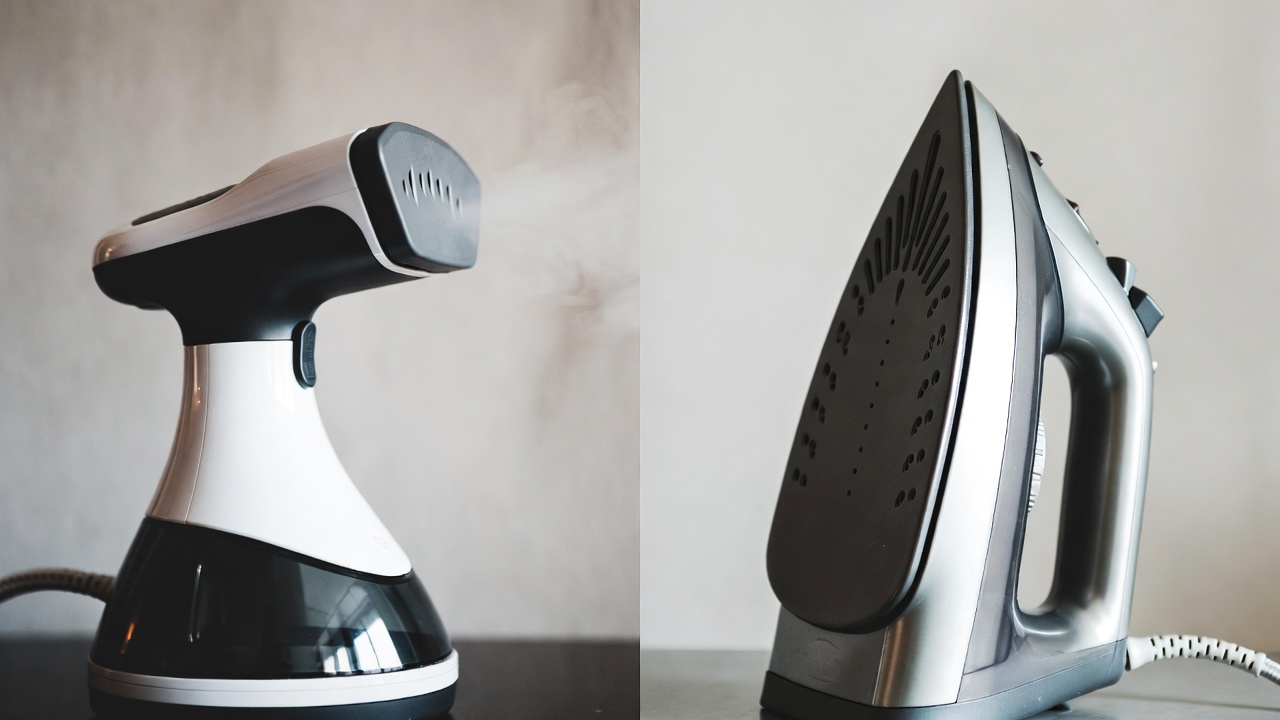
When you look at a clothes steamer and an iron sitting side by side, they seem pretty similar at first glance. Both apply heat to your clothes. Both help remove wrinkles and make your fabrics look fresher. But here’s the thing: they do their magic in completely different ways.
An iron works by sitting flat on your fabric and pressing down hard. It uses direct heat and pressure to flatten out wrinkles. Think of it like a mini clothes press. You guide it across your garment, applying the weight of the iron itself to smooth out creases. Irons get very hot, and you control the temperature based on your fabric type.
A clothes steamer, on the other hand, shoots hot steam directly at your fabric. You don’t press down with a steamer. Instead, you hold it upright and let the steam do the work. The moisture and heat work together to relax the fibers in your clothes and make wrinkles disappear. It’s a gentler approach than pressing.
This key difference shapes everything else about how these tools work and what they’re good at.
Understanding How a Traditional Iron Works
An iron has been around for decades. Your grandmother probably used one, and chances are you’ve seen one in action. Here’s what happens when you plug in an iron:
The heating element inside warms up the flat metal plate. This plate gets hot enough to smooth out wrinkles when you press it against fabric. You control the heat level using a dial or digital display. Lower heat for delicate fabrics like silk, and higher heat for sturdy fabrics like cotton and linen.
The flat plate lets you apply direct pressure. You drag the iron across your shirt, and the weight plus the heat presses the wrinkles flat. Some irons have a small water reservoir too. You can add water to make the iron produce a little steam, which helps release wrinkles even more.
Irons also give you precision. You can get into tight spots like collar tips and the areas between buttons. You can press sharp creases into pants if you want. You have total control over where the heat goes and how much pressure you apply.
The downside? Irons need a stable surface to work on. You can’t use them while your clothes hang on a hanger. You need an ironing board or table. Also, if you’re not careful, you can burn your fabric. Too much heat or leaving the iron in one spot too long can damage fibers. It takes practice to get good at ironing.
How a Clothes Steamer Actually Works
A clothes steamer is a newer tool that more and more people are discovering. Here’s the basic idea:
You fill the water reservoir with water. The steamer heats up that water until it turns into steam. Then you hold the steamer nozzle close to your garment and pull the trigger to release the steam. The hot moisture hits your fabric and relaxes the fibers, making wrinkles fall away.
Unlike an iron, you don’t press the steamer against your fabric. You hold it a few inches away and let the steam do the work. This is a huge difference. You can steam clothes while they hang on a hanger, on a hook, or even on your body if you’re careful.
Steamers come in different sizes. Handheld steamers are small and portable. You can take them with you when you travel. Upright steamers are bigger and sit on the floor. They look like a tall tower with a hose attached. These bigger models produce more steam power and work faster.
The beauty of a steamer is that it’s gentle. The steam relaxes fibers without applying pressure. This means you can use a steamer on almost any fabric, even delicate ones like silk and wool. You don’t have to worry as much about burning or damaging your clothes. The risk is way lower than with an iron.
But steamers aren’t perfect either. They take a little longer to work on heavy wrinkles. You can’t get the same sharp creases that an iron gives you. Some people find them awkward to hold for long periods. And you need a place for the water to drip, which can be messy.
Speed: Which One Works Faster?
Let’s talk about time, because nobody wants to spend all day dealing with wrinkles.
An iron gets the job done fast. Once it heats up, you can start pressing immediately. You grab a piece of clothing, put it on the board, and go. For a single shirt, an iron probably takes five to ten minutes. This includes taking the shirt off the hanger, putting it on the board, ironing both sides, and hanging it back up.
A steamer is slower for heavy wrinkles. The steam needs time to penetrate the fibers and relax them. For a single shirt with light wrinkles, you might spend ten to fifteen minutes. For something with deep creases, it could take longer. You have to run the steamer over the same area several times to break up stubborn wrinkles.
Here’s where steamers have a secret advantage though: you can prep more items at once. While your iron heats up, you can have five shirts hanging and ready to steam. You don’t need to set up an ironing board. So if you have lots of items to do, a steamer might actually save you time overall.
For people in a hurry, an iron wins on speed. For people who have a bunch of items but can do other things while steaming, the steamer keeps pace.
Fabric Friendliness: Which Is Safer for Your Clothes?
Your clothes are an investment. You don’t want to ruin them. Let’s talk about which tool is gentler on your fabrics.
Irons can damage fabric if you’re not careful. The direct heat and pressure can burn delicate fibers. Silk, satin, linen, and wool all need low to medium heat. If you use too much heat or leave an iron on one spot too long, you can create shine marks or actually scorch the fabric. Dark fabrics show damage more easily. The iron can also flatten the nap on velvet or crushed fabrics permanently.
People worry a lot about this. Some folks avoid irons because they’re nervous about damaging their favorite clothes.
Steamers are much safer for delicate fabrics. The heat comes from steam, which is already cooled down from boiling. You hold the steamer away from your fabric, so you never get the extreme direct heat that an iron provides. You can safely steam silk, linen, wool, and even cashmere without worrying about burns or damage. The steam gently relaxes fibers without flattening them.
This makes steamers the clear winner for fabric safety. If you have lots of delicate or precious clothing, a steamer is the smarter choice.
The Wrinkle-Fighting Power: Can They Handle the Job?
Not all wrinkles are created equal. Some are light and easy. Others are deep and stubborn. Let’s see how each tool handles different situations.
Irons excel at tough wrinkles. The combination of heat and pressure can tackle deep creases that have been sitting for weeks. You can press in creases too, which is perfect for pants and dress clothes. If you want professional-looking results, an iron gives you more control. You can adjust pressure and heat to match the challenge.
Steamers handle light to medium wrinkles beautifully. They work fast on clothes fresh from the dryer that just need a quick refresh. For everyday wear, a steamer gets your clothes looking great. But if you have a linen shirt that’s been crumpled in a suitcase for a week, the steamer might not be powerful enough.
Here’s a practical example: if you wear mostly casual clothes and just want them to look decent, a steamer handles this easily. If you wear business clothes with stubborn creases or you want sharp press marks on your pants, an iron is the better tool.
Most people who own both tools use them for different purposes. The iron handles tough jobs, and the steamer handles everyday maintenance.
Space and Storage: Where Do You Keep This Thing?
Real talk: not everyone has a huge laundry room. Space matters.
An iron needs an ironing board. That’s not optional. You can’t iron on a regular table because the heat and moisture will damage it. An ironing board takes up space in a closet or laundry room. Some fold up, which helps. But you still need a dedicated place to store both the iron and the board. For people in small apartments or dorms, this can be a problem.
A handheld steamer? This thing barely takes up space. It’s small enough to fit in a closet shelf or even a drawer. You can store it with its hose coiled up. Upright steamers are bigger and need more floor space, but they’re still smaller than an ironing board setup when everything is packed away.
If you’re short on space, a handheld steamer wins easily. You can keep it somewhere tiny and pull it out whenever you need it.
Heat-Up Time: How Long Do You Wait?
We’ve all been there. You grab an iron to quickly fix a wrinkly shirt, and you wait forever for it to heat up.
Irons take a while to preheat. Depending on the model, you might wait three to five minutes before the iron is hot enough to use. Some newer irons heat up faster, but most traditional models need this wait time. Once it’s ready, you’re set for a session of ironing several pieces.
Steamers heat up much faster. Many handheld steamers are ready to go in just one or two minutes. You fill the reservoir, plug it in, and almost immediately you can start steaming. This is a big advantage if you need a quick fix.
This matters more than you might think. If you’re running late and need to look decent, the steamer gets you out the door faster.
Cost: What Will You Spend?
Money is a real consideration. Let’s break down what you might pay.
A basic iron costs between twenty and fifty dollars. You can get a decent one for less than thirty. An ironing board adds another twenty to thirty dollars. So your total startup cost is around forty to eighty dollars. Irons are cheap because they’ve been around forever and the technology is simple.
A good handheld steamer runs thirty to sixty dollars. An upright steamer costs more, usually between seventy and two hundred dollars depending on quality. So steamers cost a bit more upfront than irons.
Over time though, both tools are cheap to run. You just pay for water and electricity. Neither one has expensive maintenance or parts that wear out quickly.
If you’re watching your budget, a basic iron is the cheapest way to get started. If you can spend a little more and want easier use, a handheld steamer is still affordable.
Real-Life Scenarios: Which Tool Should You Use?
Let’s talk about actual situations and what makes sense.
For business clothes: An iron wins here. If you wear dress shirts, dress pants, or business blazers, an iron gives you the sharp, professional look you need. You can press crisp creases and get that polished appearance.
For travel: A handheld steamer is the clear winner. You can pack it easily, and many hotels have minimal space. A steamer takes up almost no room in your suitcase.
For everyday casual clothes: A steamer is perfect. Most people wear casual clothes that just need a quick refresh, not perfect creases. A steamer does this in minutes.
For delicate fabrics: A steamer is safer. If you have silk blouses, cashmere sweaters, or other fancy pieces, a steamer protects your investment.
For heavy linens: An iron handles this better. Linen wrinkles badly, and you need the pressure of an iron to really tame it effectively.
For people with limited space: A handheld steamer is the obvious choice. You don’t need an ironing board or storage space.
For working parents: A steamer saves time because you can steam multiple items quickly while doing other things. You don’t need to set up an ironing board.
The Hybrid Approach: Having Both Tools
Here’s a secret: many people who are serious about their clothes own both tools. They’re not as expensive as some people think, and they do different things really well.
You could keep a handheld steamer in your bedroom for daily touch-ups. It handles ninety percent of your needs. Then keep an iron and board in a closet for those times when you need serious pressing power. This gives you flexibility without breaking your budget.
Some families do this too. The handheld steamer lives on the kitchen counter for quick fixes. The iron and board stay in the laundry room for weekend pressing sessions.
If you spend money on clothes and want them to look good all the time, having both makes sense. Neither tool is that expensive, and they complement each other perfectly.
Maintenance and Care: What Do You Actually Have to Do?
Good news: both tools require minimal maintenance.
With an iron, you should empty the water reservoir after each use if it has one. Some mineral deposits can build up over time, so you might want to use distilled water instead of tap water. That’s about it. Irons just work year after year.
Steamers need you to empty the reservoir after use too. You should also wipe the nozzle occasionally to prevent mineral buildup. Some people run distilled water through their steamer to clean it out. Again, this is simple stuff that takes seconds.
Neither tool needs special care or expensive repairs. They’re both straightforward appliances.
The Verdict: Which One Should You Get?
Okay, it’s decision time. Here’s what you should know:
Get an iron if:
- You wear business clothes or formal wear
- You want sharp creases and professional results
- You have heavy fabrics like linen
- You have limited budget for multiple tools
- You’re willing to set up an ironing board
Get a steamer if:
- You wear mostly casual clothes
- You travel frequently
- You have lots of delicate fabrics
- You have limited storage space
- You want the fastest heat-up time
- You prefer gentler garment care
Get both if:
- You can afford it
- You have different clothing styles
- You want maximum flexibility
- You wear business clothes sometimes and casual clothes most days
The truth is that neither tool is inherently better. They’re just different. Your lifestyle and your clothes determine which one makes more sense for you.
Tips for Getting the Best Results
No matter which tool you choose, here are some ways to get the best performance:
For iron users: Use an ironing board with good padding. Adjust heat based on fabric type. Start with low heat and increase as needed. Iron in smooth motions. Let clothes cool before wearing them. This helps creases set better.
For steamer users: Keep the steamer nozzle a few inches from your fabric. Move slowly to let the steam penetrate. Use gentle motions rather than rubbing. Don’t oversaturate fabric with water. Work from top to bottom on hanging clothes. Practice on old clothes first if you’ve never used one.
For everyone: Store your tools properly. Keep them in a dry place away from moisture. Let irons and steamers cool completely before storing them. This extends their lifespan.
Making Your Decision: Final Thoughts
Choosing between a clothes steamer and an iron isn’t about finding the perfect tool. It’s about finding the right tool for your specific needs. Your daily routine, your wardrobe, your space, and your budget all play a role.
Many people find that they start with one tool, use it for a while, and then add the other tool later. That’s completely normal. You learn what works for you through experience.
The good news is that you can’t really make a wrong choice. Both tools work. Both are affordable. Both will help you look better and keep your clothes fresher longer.
Think about your typical week. What clothes do you wear most? How much time do you have for garment care? Do you travel frequently? What matters most to you: speed, safety for your fabrics, or professional results?
Answer those questions, and the answer becomes pretty clear.
An iron is a classic tool that’s been helping people look good for generations. A steamer is a modern option that makes garment care easier and faster for busy people. Both have earned their place in homes around the world.
So go ahead. Make your choice. Whether you go with an iron, a steamer, or eventually both, you’re making your clothes look better and extending their lifespan. That’s a win no matter what.
Your wardrobe will thank you, and you’ll feel better knowing your clothes look fresh and ready to wear. That’s really what this is all about: taking care of your things and looking your best with minimal fuss.
Now grab that wrinkly shirt and get to work. You’ve got this.
Mary is a fashion enthusiast and lifestyle writer who loves discovering stylish clothing, accessories, and everyday fashion essentials. She enjoys researching the latest trends, reviewing popular products, and sharing practical style tips to help readers dress with confidence. Through FashionSolve.com, Mary provides honest recommendations, fashion guides, and inspiration for building a wardrobe that is both stylish and affordable.