Layered vs Non Layered Hair
So you’re sitting in the salon chair. Your stylist asks, “Do you want layers?” And suddenly your mind goes blank. You have no idea what to say.
Don’t worry. You’re not alone.
A lot of people don’t fully get the difference between layered and non-layered hair. They just nod and hope for the best. But your hair is a big deal. You deserve to walk out of that salon loving what you see.
This guide breaks it all down for you — in plain, simple words. No fancy jargon. No confusing hair talk. Just the facts you need to make a smart choice.
Let’s get into it.
What Are Layers in Hair?
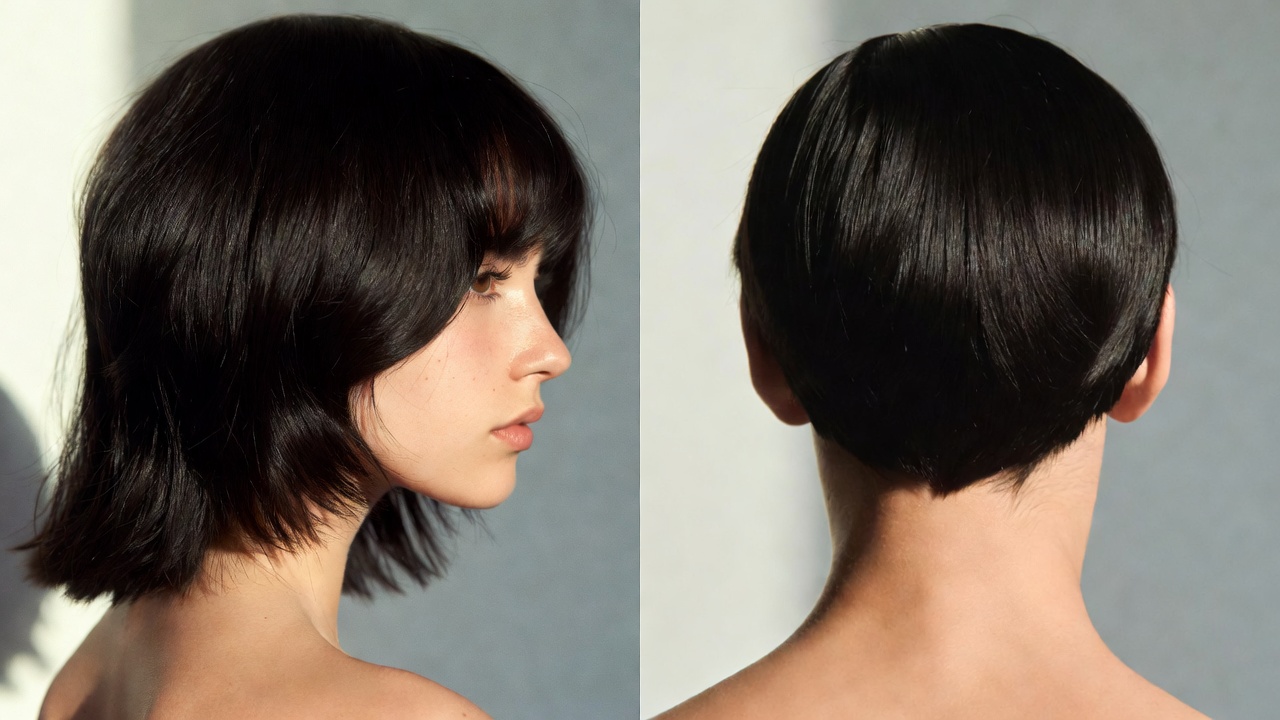
Layers happen when a hairstylist cuts your hair at different lengths. Some parts are kept longer. Other parts are cut shorter. This creates a stacked, blended effect that adds movement and bounce.
Think of it like a waterfall. The water flows in different levels, not just one flat sheet. That’s what layers do to your hair.
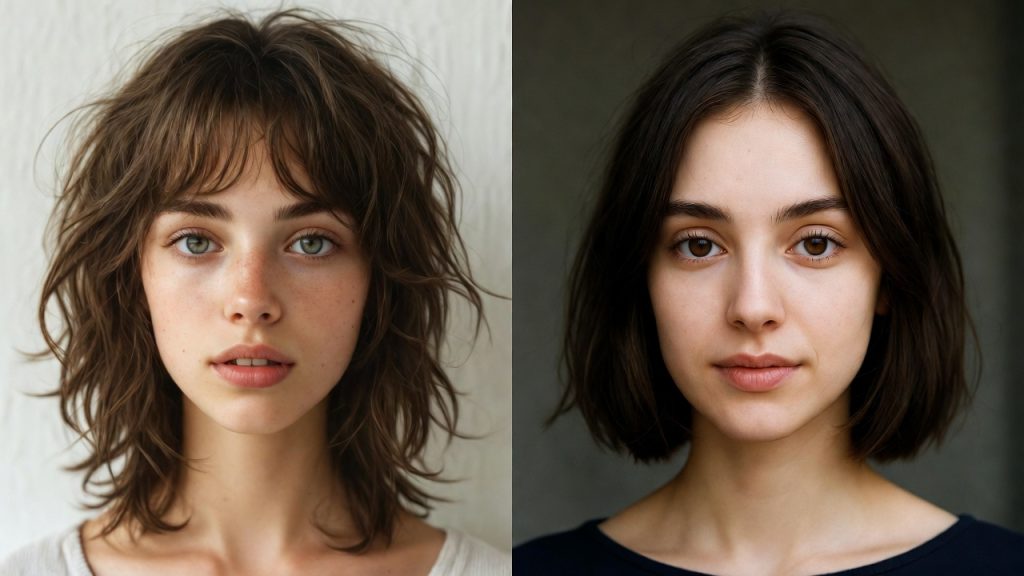
You’ll find layers in all kinds of haircuts — long layers, short layers, face-framing layers, curtain bangs, and more. They can be dramatic or soft. They can be obvious or barely noticeable. It all depends on how your stylist cuts them.
What Is Non-Layered Hair?
Non-layered hair — also called a blunt cut or one-length hair — is exactly what it sounds like. All the hair is cut to the same length. There are no steps, no angles, no blending.
The result? A thick, heavy, super polished look. It’s clean. It’s bold. It makes a statement.
Non-layered hair is popular in a lot of classic styles — the bob, the lob (long bob), and straight long hair. It creates a very structured and sleek silhouette.
The Big Differences Between Layered and Non-Layered Hair
Here’s a simple side-by-side view of how these two styles differ:
| Feature | Layered Hair | Non-Layered Hair |
|---|---|---|
| Weight | Lighter, more airy | Heavier, fuller |
| Movement | Lots of bounce and flow | Stays in place, structured |
| Volume | Can add volume | Lies flat and smooth |
| Thickness look | Can thin out thick hair | Makes thin hair look thicker |
| Styling | Can be styled many ways | Best for sleek, polished looks |
| Maintenance | May need trims more often | Easier to grow out |
Layered Hair: The Good Stuff
It Adds Movement
Layered hair moves. When you walk, it bounces. When you shake your head, it flows. That natural movement is one of the biggest reasons people love layers.
If your hair feels stiff or flat, layers can totally change that. They give your hair life.
It Works Great for Thick Hair
Got thick, heavy hair that weighs you down? Layers can fix that. By removing some bulk, layers make your hair feel lighter and easier to manage.
Thick-haired people often struggle with puffiness or a “triangle head” effect. Layers help eliminate that by blending the weight more evenly.
It Can Frame Your Face
Face-framing layers are a total game changer. They draw attention to your best features — your eyes, your cheekbones, your jawline. A good set of face-framing layers acts like a little crown around your face.
This is why so many hairstylists recommend layers for oval, heart, and round face shapes. The right layers can make your face look more balanced.
It Adds Volume for Fine Hair
Thin or fine hair can look limp without layers. Layers create the illusion of more volume by letting sections of hair sit at different heights. The result looks fuller and more textured.
Adding some soft layers to fine hair — paired with the right products — can make it look twice as thick.
It Works for Curly and Wavy Hair
Curly hair and wavy hair tend to love layers. Layers help define curl patterns. They remove excess weight that can drag curls down and make them look limp.
A layered cut for curly hair — often called a curly shag or a DevaCut — is one of the most popular styles in the curly hair community. It lets each curl bounce freely without being weighed down.
Layered Hair: The Not-So-Good Stuff
It Can Look Stringy on Fine Hair
Wait, didn’t we just say layers are good for fine hair? Yes — but only the right kind of layers.
Too many layers on fine hair can make it look thin and stringy. The pieces can separate too much and make your hair look sparse. So if your hair is very fine, stick to soft, subtle layers. Don’t go overboard.
It Needs More Maintenance
Layers grow out in a way that can look awkward. After a few months, the shape of your cut can start to look uneven or choppy. That means more regular trips to the salon to keep it looking fresh.
If you hate going to the salon often, this is worth keeping in mind.
It Can Be Hard to Style at Home
Layers look amazing when a stylist blows them out. But at home? It can take some practice to get the same result. You may need a round brush, a diffuser, or some extra styling products to make your layers behave.
Non-Layered Hair: The Good Stuff
It Looks Super Polished
There’s something about a blunt cut that just looks expensive. It’s clean. It’s sharp. It reads as intentional and put-together.
Non-layered hair is a go-to for people who want a classic, elegant look. It works beautifully for straight, fine, and medium-density hair types.
It Makes Thin Hair Look Thicker
This is the biggest win for non-layered hair. When all your hair is the same length, the ends line up together. That creates the appearance of a thick, dense edge — even if your hair is naturally thin.
It’s basically an optical illusion. And it works like a charm.
It’s Lower Maintenance
A blunt cut grows out evenly. There’s no awkward stage where your layers start sticking out in weird directions. You just let it grow, and it still looks intentional for longer.
This makes non-layered hair a great pick for low-maintenance people or those who only visit the salon twice a year.
It’s Easy to Style
Straight, non-layered hair is simple to work with. Run a flat iron through it. Do a quick blowout. Pull it into a sleek ponytail. It responds well to most styles without needing much fuss.
Non-Layered Hair: The Not-So-Good Stuff
It Can Feel Heavy and Flat
If you have thick or dense hair, a blunt cut can feel like a lot. The weight pulls your hair down and can make it look flat on top. There’s no shape. No bounce. Just… hanging there.
People with naturally thick hair often find blunt cuts hard to manage because of this.
It Can Look Boxy on Certain Face Shapes
A blunt cut that hits at the wrong point can make certain face shapes look wider or boxier. For example, a chin-length blunt bob on a round face can emphasize the width of the face rather than slimming it.
Face shape matters a lot with non-layered cuts. A good hairstylist will always factor that in.
It Doesn’t Add Much Movement
If you love hair that flows and moves, a blunt cut might disappoint you. It tends to stay in one solid block. That’s great for sleek styles but can feel limiting if you want something more dynamic.
Layered vs Non-Layered: Which One Works for Your Hair Type?
Let’s match hair types to the best cut:
Fine or Thin Hair
- Best pick: Non-layered or very soft, minimal layers
- Blunt cuts create the illusion of thickness at the ends
- Avoid too many heavy layers — they can make thin hair look stringy
Thick or Dense Hair
- Best pick: Layered hair
- Layers remove bulk and weight
- Gives shape and prevents the pyramid effect
Curly or Wavy Hair
- Best pick: Layered hair
- Layers allow curls to spring up and bounce freely
- A DevaCut or curly shag is a great option
Straight Hair
- Best pick: Either works well
- Straight hair shows off blunt cuts beautifully
- But layers can add dimension if you want more texture
Medium or Normal Hair
- Best pick: Either option — it’s really about your style goals
- Great news: medium hair tends to be the most flexible hair type
What Face Shape Should You Consider?
Your face shape plays a huge role in what looks good on you. Here’s a quick guide:
Oval Face: Lucky you — almost any cut works. Try both layered and blunt cuts and see what you prefer.
Round Face: Go for layers that add height at the crown. Long layers that fall below the chin work great. Avoid blunt cuts at jaw level.
Square Face: Soft layers around the face help soften strong jawlines. Long layers work especially well.
Heart Face: Layers around the chin and collarbone area add fullness at the bottom and balance the face. Curtain bangs are a big win here.
Long Face: A blunt cut or a lob (long bob) with minimal layers helps make the face look shorter and more balanced. Avoid adding too much height.
How to Communicate with Your Stylist
This is the part most people skip — and then regret.
Before you sit in that chair, bring photos. Seriously. Words can mean different things to different people. One person’s “light layers” is another person’s “choppy mess.”
Pull up a few reference photos on your phone that show exactly the kind of layered or non-layered look you want. Show them to your stylist. Let them tell you if it’s achievable with your hair type.
Here are some terms worth knowing:
- Long layers: Subtle layers that blend smoothly, keeping most of the length intact
- Short layers: More dramatic layers that add a lot of volume and movement at the crown
- Face-framing layers: Layers specifically cut to frame the face, not the whole head
- Blunt cut: All hair cut to the same length with no layers
- Lob: Long bob, usually hitting at the collarbone or shoulders
- Shag haircut: A heavily layered style with lots of texture and curtain bangs
Layered Hair Styles You’ll Love
Need some inspiration? Here are some popular layered styles that are trending right now:
The Curtain Bang Shag: Lots of layers throughout, with soft curtain bangs framing the face. Works great on all hair types.
The Butterfly Cut: Long layers cut to create a winged shape when the hair falls naturally. Super dramatic and beautiful.
Long Layers with Face-Framing Pieces: Classic, timeless, and flattering on almost everyone. Great for people who want their first layers.
The Wolf Cut: A mix between a shag and a mullet. Heavy layers, lots of texture, very edgy. Great for wavy and curly hair.
Non-Layered Hair Styles You’ll Love
The Classic Bob: Chin-length, blunt, clean, and iconic. One of the most recognized haircuts in history.
The Lob (Long Bob): Hits just above or at the collarbone. Flattering for almost every face shape.
Sleek Long Hair: Super long, all-one-length hair. Classic, elegant, and timeless.
The Blunt Fringe Bob: A bob with full blunt bangs. Bold and very graphic.
Can You Have Both?
Absolutely. Many stylists combine both techniques in one cut.
For example, you might have a blunt lob at the bottom but with a few soft face-framing layers around the front. This gives you the thickness illusion of a blunt cut while also getting some of the movement and framing that layers offer.
This kind of hybrid approach works especially well for people with medium-density hair who want the best of both worlds.
Don’t feel like you have to choose one extreme or the other. Talk to your stylist and find a middle ground that works for your hair and your lifestyle.
The Role of Hair Texture in Your Decision
Hair texture is a big factor that often gets ignored in these conversations. Here’s what to think about:
Silky, smooth hair tends to show off blunt cuts the most. The polished edge catches the light and looks razor-sharp.
Coarse or frizzy hair often does better with layers because they help reduce bulk and make the hair easier to manage.
Naturally wavy hair can go either way, but layers usually help enhance the wave pattern and add definition.
Chemically treated or color-damaged hair might benefit from a blunt cut because it protects the ends and makes them look healthier.
Thinking About Grow-Out
Here’s something most people don’t think about until it’s too late: what happens when the cut grows out?
Layers can look a bit awkward after a few months if you don’t maintain them. The shorter layers start poking out or looking uneven. You’ll need trims every 6 to 8 weeks to keep them looking good.
Blunt cuts are much more forgiving. They can grow out for 3 to 4 months — sometimes longer — and still look intentional.
So if you’re the type who spaces out your salon visits, a non-layered blunt cut might actually be the more practical pick.
Products That Work Best with Each Style
For layered hair, you’ll want:
- A light mousse or volumizing spray to boost body
- A diffuser if you have waves or curls
- A texturizing spray or sea salt spray for added definition
- A shine serum to control frizz at the ends
For non-layered hair, you’ll want:
- A smoothing cream or heat protectant
- A flat iron for that polished, sleek look
- A shine spray or gloss treatment to keep ends looking healthy
- A good conditioner to keep ends smooth and frizz-free
Final Thoughts: Which One Should You Pick?
Here’s the honest truth: there’s no universally “better” option.
Layered hair is amazing if you want movement, volume, or texture. It works best for thick hair, curly hair, and people who love a dynamic, bouncy look.
Non-layered hair is ideal if you want a polished, clean, structured style. It’s a great pick for thin hair, straight hair, and people who prefer low-maintenance cuts.
The best thing you can do is look at your hair type, think about how much time you spend styling, and be honest with your stylist about what you’re going for.
Bring reference photos. Ask questions. Don’t be afraid to speak up.
Your hair is yours. Make sure you love it.
Quick Recap
- Layered hair = movement, bounce, volume, texture, best for thick/curly hair
- Non-layered hair = polished, clean, structured, best for thin/straight hair
- Your hair type, face shape, and lifestyle all matter
- Hybrid cuts (a mix of both) are totally possible
- Always bring photos to your stylist appointment
- Layers need more maintenance; blunt cuts are more grow-out friendly
Now go book that appointment with confidence. You’ve got this.
Mary is a fashion enthusiast and lifestyle writer who loves discovering stylish clothing, accessories, and everyday fashion essentials. She enjoys researching the latest trends, reviewing popular products, and sharing practical style tips to help readers dress with confidence. Through FashionSolve.com, Mary provides honest recommendations, fashion guides, and inspiration for building a wardrobe that is both stylish and affordable.