How to Take Care of Wavy Hair?
Wavy hair sits in that sweet spot between straight and curly. It has natural texture and movement that can look amazing with the right care. But if you’ve just started noticing your waves or you want to make them look better, you probably have a lot of questions. The good news is that caring for wavy hair doesn’t need to be complicated or expensive.
This guide walks you through everything you need to know to keep your waves healthy, defined, and frizz-free. You’ll learn about washing, styling, and daily habits that make a real difference.
What Makes Hair Wavy?
Your hair texture comes down to genetics and the shape of your hair follicles. Straight hair grows from round follicles. Curly hair grows from very curved follicles. Wavy hair? It grows from follicles that are somewhere in between. The shape creates that natural bend and wave pattern you see.
The protein structure inside your hair also plays a role. Your hair has layers, and how these layers bond together affects how your hair looks and moves. When you have wavy hair, these bonds are arranged in a way that creates waves instead of straight strands or tight curls.
Humidity affects wavy hair too. Water molecules in the air can slip into your hair shaft and change how your strands bend. That’s why your waves might look different on humid days compared to dry days. It’s totally normal and happens to most people with wavy hair.
Start With the Right Shampoo
The shampoo you use sets the foundation for healthy wavy hair. Many regular shampoos contain harsh chemicals that strip away natural oils from your scalp and hair. These oils are not grease—they protect your hair and keep waves looking shiny and bouncy.
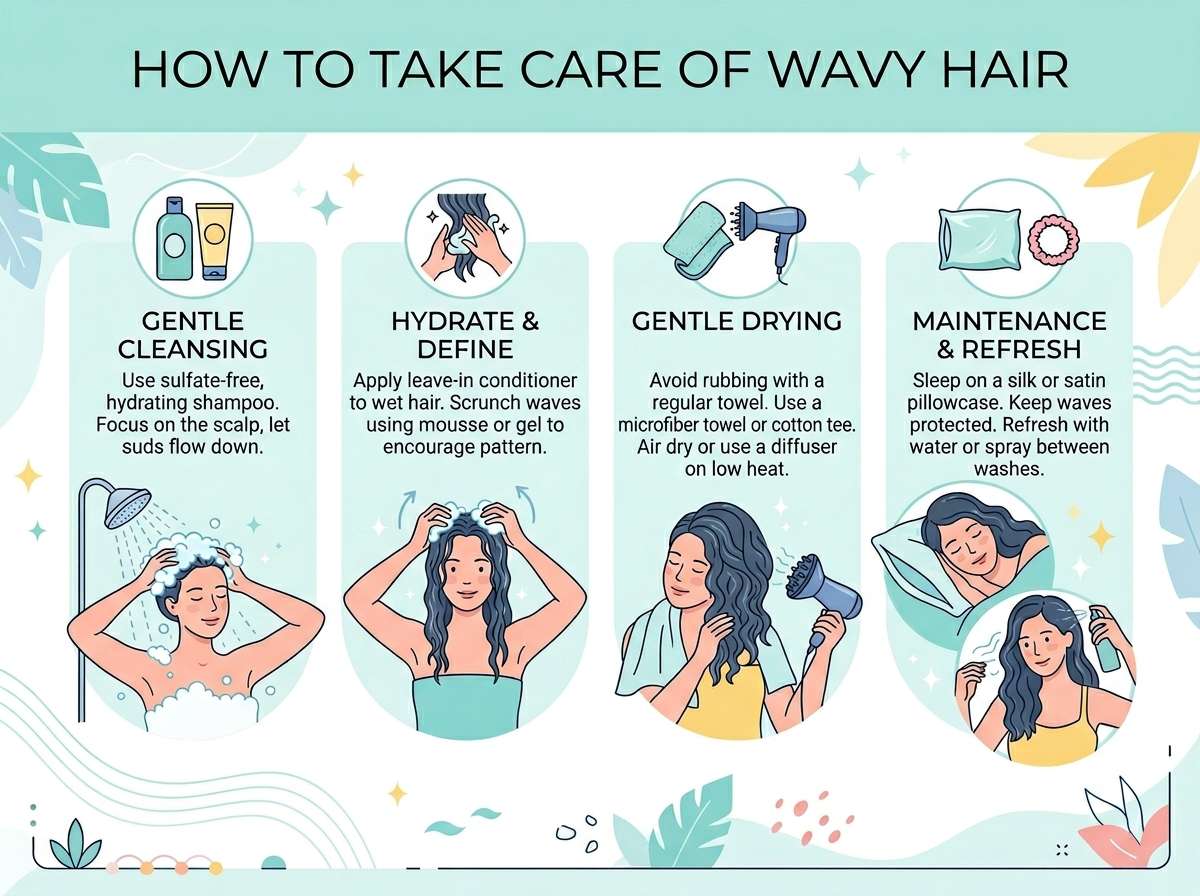
Look for sulfate-free shampoos. Sulfates are the ingredients that make shampoo foam up, but they’re too strong for wavy hair. They wash away too much moisture and natural oils, leaving your hair dry and frizzy. You want a gentle cleanser that removes dirt without being aggressive.
Aim to shampoo your hair two to three times a week. Washing too often makes waves dry and limp. Washing less frequently lets natural oils build up, which keeps waves healthy and defined. If your hair feels oily at the roots, you can rinse with water on the days you skip shampooing.
When you shampoo, focus on your scalp. Pour the shampoo on your roots and massage it gently with your fingertips. Let the soap rinse down through the rest of your hair. You don’t need to scrub the ends of your hair hard—they’re the oldest part of your hair and more fragile than the roots.
Rinse with cool water if you can. Cold water seals the outer layer of your hair and helps waves stay smooth and shiny. Hot water opens up this layer and lets moisture escape, which leads to dryness and frizz.
Condition Is Your Best Friend
Conditioner is not optional for wavy hair. It’s essential. Conditioner adds moisture back into your hair after shampooing and helps your waves hold their shape.
Use a hydrating conditioner every time you shampoo. Apply it to the middle and ends of your hair, where the hair is oldest and driest. Avoid putting conditioner on your roots because it can make them look greasy and weighed down.
Leave the conditioner on for at least a minute. Two to three minutes is even better. This gives your hair time to soak up the moisture. You can use a conditioner comb or your fingers to detangle while the conditioner sits in your hair.
Some people like deep conditioning treatments. These are thicker, richer conditioners that you leave on for 10 to 20 minutes or even overnight. Deep conditioning once a week or every two weeks helps wavy hair stay soft and bouncy. If your hair feels dry, use deep conditioning more often.
Look for conditioners with ingredients like coconut oil, argan oil, shea butter, or glycerin. These ingredients seal moisture into your hair and reduce frizz. Avoid conditioners with silicones if possible. Silicones coat your hair and make it look shiny at first, but they build up over time and make hair heavy and limp.
Drying Your Wavy Hair the Right Way
How you dry your hair after washing makes a huge difference in how your waves look. Most people make the mistake of rubbing their hair with a regular towel. This creates friction that breaks hair and makes waves messy and frizzy.
Instead, use a cotton t-shirt or a microfiber towel to gently squeeze water out of your hair. Hold sections of hair and press the towel against them. Don’t rub or twist. This method keeps your waves intact and prevents breakage.
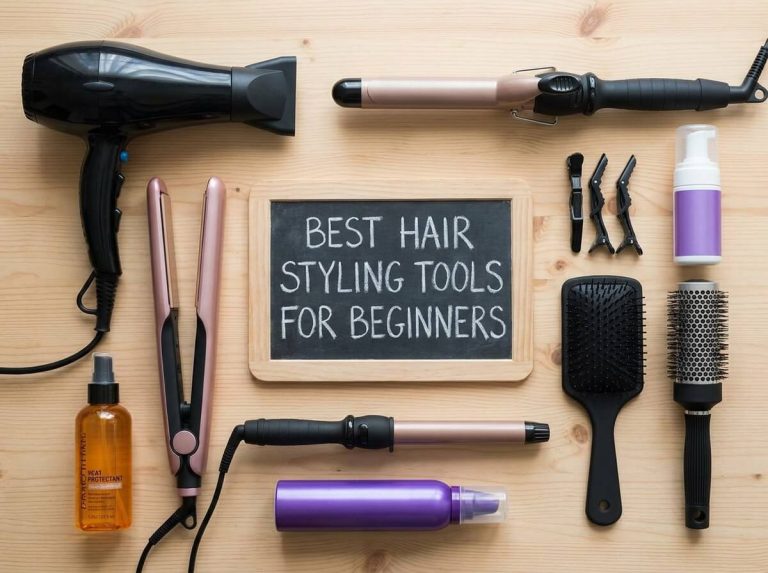
Let your hair air dry as much as you can. If you need to use a hair dryer, use a diffuser attachment. A diffuser spreads the heat and airflow so it doesn’t rough up your hair. Set the dryer to medium heat and medium speed. Cup your waves in the diffuser and dry from underneath, letting heat travel upward along your waves.
Avoid touching your hair too much while it dries. The more you move your hair around, the more frizz you create. Let your waves form naturally. If you need to dry your hair quickly, scrunch sections upward toward your roots while the diffuser is on.
Some people like to plopping. This means wrapping your wet hair in a towel or t-shirt on top of your head for 10 to 20 minutes. This holds your waves in shape while they dry and creates definition.
Apply Products to Soaking Wet Hair
The order and timing of when you apply products matter a lot. Your hair is most ready to absorb products when it’s soaking wet, not damp.
After you wash and condition, don’t squeeze out all the water. Your hair should drip. Start applying products while hair is in this state. This is called “praying hands” method or “scrunching” depending on how you apply the product.
Apply leave-in conditioner first. Pour a small amount into your palm and rub hands together. Cup this product in your hands and scrunch it into your hair. Work from the middle down to the ends. Leave-in conditioner adds moisture and helps define your waves.
Next, apply styling gel or mousse if you use these products. Gels and mousses help your waves hold their shape and reduce frizz. Use a quarter-sized amount for short hair and up to a golf ball size for longer hair. Scrunch it in the same way.
Some people use curl creams instead of gels. These are lighter and give a softer look. Use what works best for your hair type. You might need to try a few products to find your favorites.
Finally, apply a leave-in oil or serum if your hair needs extra moisture and shine. Use just a tiny amount because oils are concentrated. Scrunch a small quantity into your hair, focusing on the ends.
The key is working with very wet hair so products spread evenly and your waves stay defined.
Styling Methods That Work
There are several ways to style wavy hair once you’ve applied products. You don’t have to pick just one. Try different methods to see what makes your waves look best.
Plopping Method: Wrap your wet hair in a t-shirt or microfiber towel while you get ready. This holds waves in place while they start to dry. After 15 to 20 minutes, unwrap and let air dry or use a diffuser.
Scrunching: Cup sections of your hair in your hand and squeeze upward. This encourages your waves to form and keeps them tight and defined. Do this while your hair is very wet and products are applied. Keep scrunching as your hair dries.
Raking: Use your fingers or a wide-tooth comb to rake through wet hair from roots to ends. This spreads products evenly and defines waves. Only rake wet hair because dry hair is fragile and breaks easily.
Praying Hands: Press your wet hair between your palms like you’re praying. This smooths products through your hair without making it frizzy. Work through sections of hair this way.
Finger Coils: Wind small sections of wet hair around your finger to create defined waves. Release slowly and let dry. This takes more time but creates beautiful, bouncy waves.
Mix and match these methods. You might plop first, then scrunch as you diffuse dry. Or rake products through, then let air dry. Pay attention to what your hair responds to and do more of that.
Keep Your Waves Looking Fresh Between Washes
You don’t need to wash your hair every day to keep waves looking good. Refresh your waves on days between washes.
Use a spray bottle filled with water and a tiny drop of leave-in conditioner. Lightly spray your waves to make them damp. Then scrunch them gently or apply a little more gel or mousse. This reactivates your waves and makes them look fresh without a full wash.
Some people sleep in a pineapple to keep their waves intact. This means gathering your hair on top of your head in a loose high ponytail before bed. Use a silk scrunchie, not a regular elastic. Silk causes less friction than cotton, so your waves don’t get damaged or messy.
A silk or satin pillowcase works well too. These materials are smooth and don’t create friction like cotton pillowcases. Your waves stay smooth and defined, and you wake up with less frizz.
Avoid touching and running your fingers through your waves during the day. Every time you do, you create frizz. If your waves feel soft and you want to keep them that way, try to leave them alone.
Trim Your Hair Regularly
Dead, damaged ends make your entire wave pattern look messy and frizzy. Get a trim every six to eight weeks. You don’t need to cut much—just a quarter to half inch removes dead ends.
When you get a trim, tell your stylist you have wavy hair. Ask them to cut your hair dry, not wet. Wet hair is longer, so cutting wet hair might leave you with shorter hair than you want when it dries. Cutting dry hair lets the stylist see your actual wave pattern and cut in a way that works with your waves, not against them.
Ask for layers if your hair feels thick or heavy. Layers remove weight and help waves bounce more. Blunt cuts without layers can look flat on wavy hair.
Between trims, you can do a “search and destroy” where you carefully look for split ends and snip just those strands off. This keeps your hair looking neat longer.
Hydration Starts From Inside
How much water you drink affects your hair. When you’re dehydrated, your hair becomes dry and breaks more easily. Your waves won’t look as bouncy or defined.
Drink plenty of water throughout the day. The standard advice is to drink eight glasses a day, but some people need more depending on activity level and climate. Pay attention to how you feel and drink when you’re thirsty.
What you eat matters too. Your hair is made of protein, so eat plenty of protein-rich foods. Chicken, fish, eggs, beans, nuts, and Greek yogurt all help your hair stay strong. Foods with omega-3 fatty acids like salmon, walnuts, and flaxseeds support healthy hair growth and shine.
Biotin is a B vitamin that some research shows supports hair health. You can get biotin from eggs, almonds, and sweet potatoes. Some people take biotin supplements, but talk to a doctor before starting any supplements.
Protect Your Hair While You Sleep
How you sleep affects your waves. Cotton pillowcases create friction that roughens up your hair shaft and causes frizz. Silk or satin pillowcases are smoother and gentler on hair.
If you don’t want to buy a new pillowcase yet, try a silk sleep cap or bonnet. This covers your hair completely and protects it from rubbing against the pillow. You can find these online or at beauty supply stores pretty cheaply.
A good nighttime routine keeps your waves looking great in the morning. Scrunch a light gel or mousse into your waves before bed if they look dry. Use the pineapple method to keep hair on top of your head where it won’t get crushed. These small steps mean you wake up with waves that look almost as good as they did when you went to bed.
Managing Frizz
Frizz happens when water from humidity gets into your hair shaft and makes it swell. You can’t stop humidity, but you can reduce frizz.
Anti-frizz serums and oils seal the outside of your hair so moisture can’t get in. Apply a tiny amount to damp hair before drying. A little goes a long way—start with just a few drops and add more if needed.
Avoid brushing dry hair. Brushing makes frizz worse. Use a wide-tooth comb only on very wet hair with conditioner in it. Once hair is dry, just use your fingers if you need to fix anything.
Never blow-dry your hair with a regular brush. This creates major frizz. Stick to diffusers and your fingers.
Humidity sprays and gels help lock in moisture and protect against humidity damage. These are different from regular gels. Look for products labeled “humidity resistant” or “anti-humidity.”
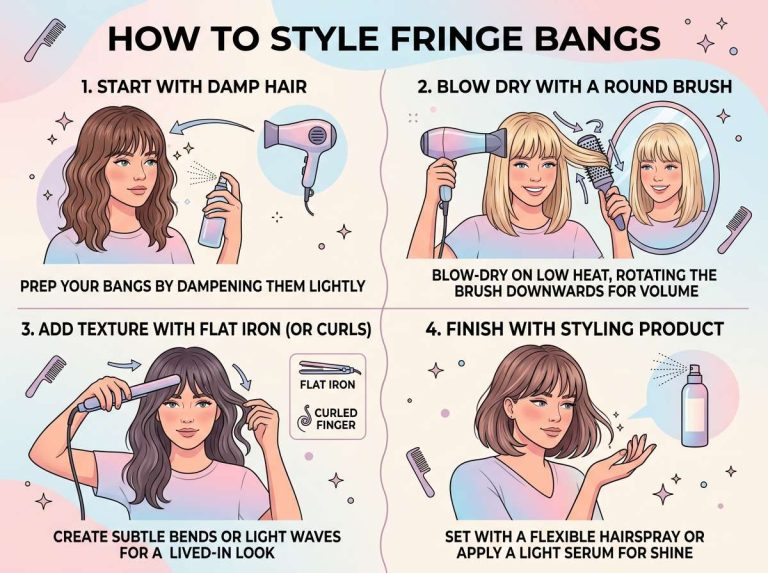
Some people use a flattening iron on low heat just on the outside layer of their hair to smooth any frizz. This takes practice and you have to be careful not to damage your hair.
Common Wavy Hair Mistakes to Avoid
Using the wrong shampoo: Sulfate shampoos and shampoos with heavy silicones will make your waves limp and frizzy.
Washing too often: Limit washing to two to three times a week so your hair keeps natural oils.
Brushing dry hair: This causes breakage and frizz. Only brush wet hair with conditioner in it.
Skipping conditioner: Conditioner isn’t optional. Your waves need moisture to stay defined and healthy.
Applying products to damp hair: Products work best on soaking wet hair. Wait until hair is very wet to apply styling products.
Rubbing hair with a regular towel: Use a t-shirt or microfiber towel instead. Regular towels cause frizz and breakage.
Touching your hair constantly: Every touch creates frizz. Try to leave your waves alone while they dry.
Using hot water to rinse: Cool water is better for wavy hair. Hot water makes waves limp and frizzy.
Not getting regular trims: Damaged ends make everything look worse. Trim every six to eight weeks.
Using too much product: More product doesn’t equal better waves. Start with small amounts and add more only if needed.
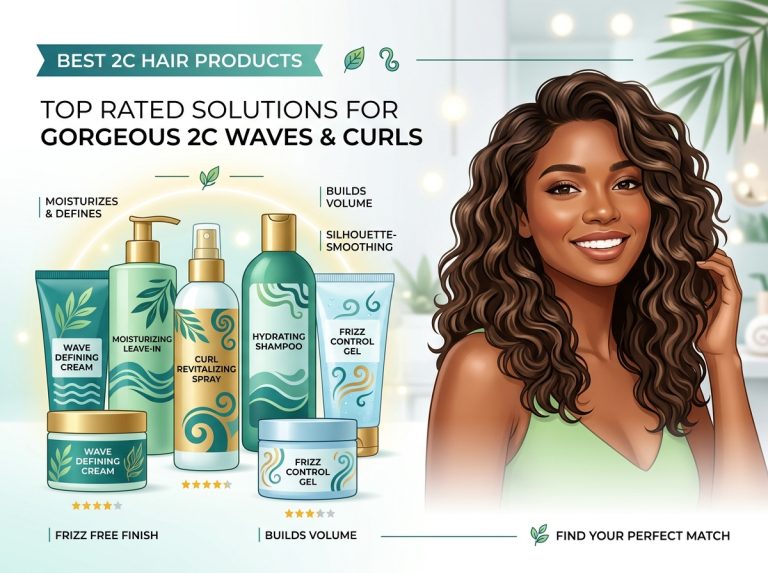
Finding Products That Work for Your Hair
Every head of hair is different. What works perfectly for one person might not work for another. You might need to try several products before you find your perfect routine.
When you’re testing products, change one thing at a time. If you switch shampoo and conditioner and gel all at once and your hair looks bad, you won’t know which product caused the problem. Change one thing, use it for at least two weeks, and see how your hair responds. Then try something different.
Keep notes about what you try. Write down the product name, when you used it, and how your hair looked. Over time, you’ll figure out which products your hair loves.
Buy travel sizes of products first. They’re cheaper than full sizes and let you test before committing to a big bottle. Many brands sell sample sets that have small versions of their whole line.
Talk to friends with similar hair to you. Ask what products they use. Their recommendations are often more helpful than random reviews online because they have hair like yours.
Don’t feel like you need expensive products. Some of the best products for wavy hair are affordable. Focus on finding products with good ingredients, not just ones with fancy packaging.
Building Your Wavy Hair Routine
Your routine doesn’t need to be complicated. A simple routine you actually do every time is better than a complex routine you skip.
Wash day routine: Start with a sulfate-free shampoo focused on your scalp. Rinse with cool water. Apply conditioner to mid-length and ends, leave on for 1 to 3 minutes, and rinse. Gently squeeze water out with a t-shirt. Apply leave-in conditioner by scrunching. Apply gel or mousse by scrunching. Plop for 15 to 20 minutes or diffuse dry while scrunching occasionally.
Non-wash days: In the morning, lightly spray waves with water and leave-in conditioner mix. Scrunch gently. Add a tiny amount of gel or mousse if needed. Let air dry or scrunch while you get ready.
Before bed: Sleep in pineapple or bonnet. Use a silk pillowcase if you have one.
This routine takes maybe 20 to 30 minutes on wash day and just a few minutes on other days. You can adjust based on what your hair needs.
When to See a Professional
A good stylist who understands wavy hair can give you personalized advice. They can see your hair texture, porosity, and density and recommend products and techniques that work for you specifically.
Look for stylists who specialize in wavy or curly hair. Ask to see their work. Look at photos of wavy hair they’ve cut or styled. Does it look healthy and defined? That’s what you want.
Get a cut from someone who knows how to work with waves. A regular stylist might cut your hair in a way that fights your natural texture instead of working with it.
Professional treatments like protein treatments, moisture masks, or olaplex treatments can help if your hair is damaged. These are more expensive than home treatments but sometimes worth it if your hair is really struggling.
Your Waves Are Unique
Everyone’s wavy hair is different. Your wave pattern, thickness, density, and porosity are unique to you. What works for someone else might not work exactly the same way for you.
Be patient with yourself while you figure out your routine. It usually takes a few weeks or months to find what works. During that time, you might have good hair days and frustrating hair days. That’s completely normal and happens to everyone with wavy hair.
Celebrate the good hair days. Notice what you did that day. What products did you use? How did you style your hair? What was the weather like? Track the good days and try to recreate them.
Learn to work with your natural texture instead of fighting it. Wavy hair has a lot of potential to look beautiful and healthy. It just needs the right care and a little patience.
Final Thoughts
Taking care of wavy hair comes down to a few key principles: use gentle, sulfate-free products, keep your hair moisturized, dry it gently, apply products to very wet hair, and get regular trims. Beyond that, it’s about finding what works for your specific hair and building a simple routine you can stick with.
Your waves are an asset. They give your hair movement and texture that straight hair doesn’t have naturally. Wavy hair looks great when it’s healthy, hydrated, and cared for properly. You don’t need expensive treatments or complicated routines. You just need to understand what your waves need and give it to them consistently.
Start with the basics. Get a good sulfate-free shampoo and conditioner. Learn how to dry your hair gently and apply products to very wet hair. Trim your ends regularly. From there, you can add other techniques and products that your specific hair loves.
Your wavy hair can look amazing. Give it some time, attention, and the right care. You’ll be amazed at the difference a solid routine makes.
Mary is a fashion enthusiast and lifestyle writer who loves discovering stylish clothing, accessories, and everyday fashion essentials. She enjoys researching the latest trends, reviewing popular products, and sharing practical style tips to help readers dress with confidence. Through FashionSolve.com, Mary provides honest recommendations, fashion guides, and inspiration for building a wardrobe that is both stylish and affordable.