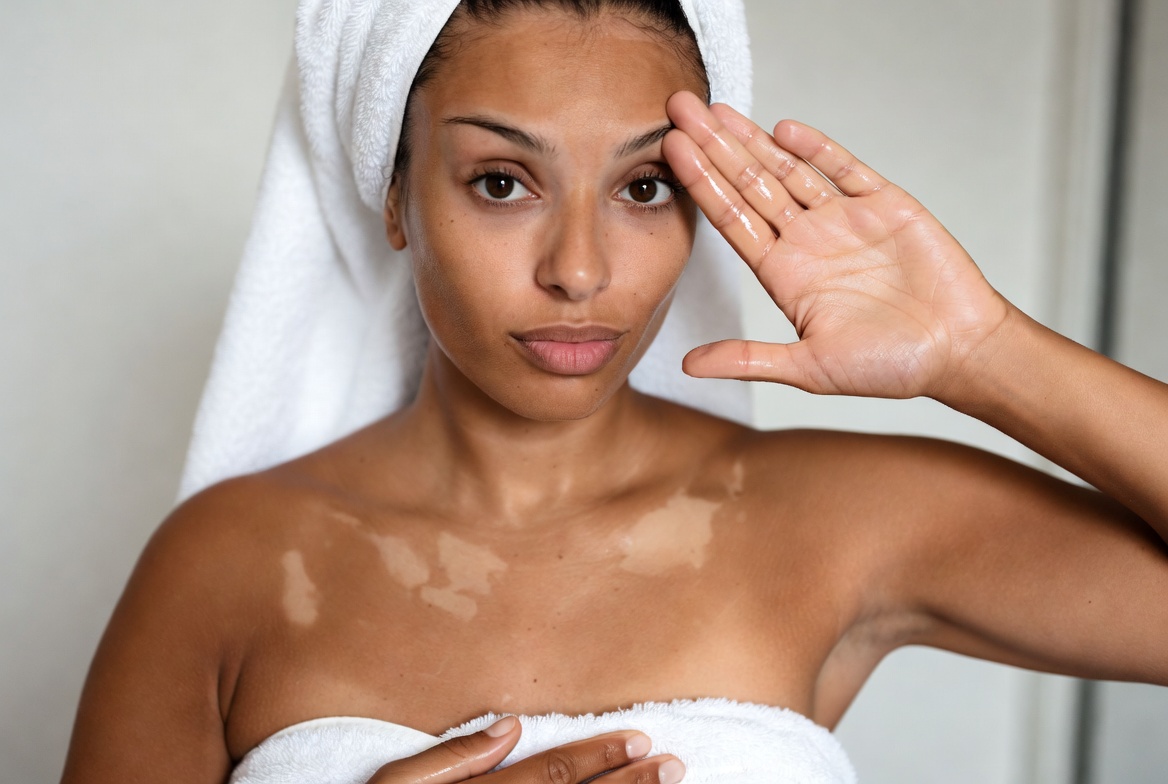
How to Remove Self Tanner?
We’ve all been there. You applied self-tanner with the best intentions, and now you’re stuck looking like an orange that somehow gained human features. The good news? Getting rid of that spray tan or self-tanning lotion doesn’t require a miracle. You just need to know the right methods.
This guide walks you through every trick to remove self-tanner, fade bronzer stains, and get back to your natural skin tone. Let’s dive in.
Why Self-Tanner Gets Stuck (And Why It Matters)
Self-tanning products work by staining your outer layer of skin with a chemical called dihydroxyacetone (DHA). This chemical reacts with amino acids in your dead skin cells. That’s why self-tanner clings to your skin and doesn’t wash off with regular soap.
Here’s the thing: your skin naturally sheds dead cells. This means your spray tan or tanning lotion will eventually fade on its own. But if you want that tan gone right now, you need an actual removal strategy.
The Fastest Way to Remove Self-Tanner
Exfoliate Like Your Life Depends On It
Exfoliation is your best friend when fighting self-tanner stains. Dead skin cells are where the tanning chemicals live. Remove those cells, and you remove the tan.
Here’s what to do:
Start with a physical exfoliant. A body scrub with sugar, salt, or microbeads works great. Focus on the areas with the darkest tanning streaks. Rub in circular motions for two to three minutes per area.
After your scrub, use an exfoliating mitt or pumice stone. These tools are cheap and effective. Wet your skin first, then gently rub the mitt across your body. Don’t go too hard—you want to remove dead skin, not irritate your skin or cause redness.
Repeat this process two or three times a day for the best results. You’ll see your self-tanner fade noticeably within hours.
Use a Chemical Exfoliant for Stubborn Tans
Physical exfoliation works fast, but chemical exfoliants can go deeper. Acids like glycolic acid or salicylic acid break down the bonds between dead skin and living skin. This reveals fresh skin underneath and speeds up tanning lotion removal.
Look for products with:
- Glycolic acid (works best for self-tanner removal)
- Salicylic acid (great for problematic skin)
- Lactic acid (gentler option)
Apply these products according to the instructions on the label. Most come as toners or serums. Use them twice daily until your fake tan is gone.
Fair warning: chemical exfoliants can irritate your skin if you use too much. Start with a lower strength and work your way up. If your skin turns red or feels uncomfortable, dial it back.
Soak It Away: The Water-Based Method
Water won’t remove self-tanner on its own, but prolonged exposure to water helps. When your skin is wet, the outer layer swells slightly, making it easier to exfoliate away.
Try this approach:
Take a long bath or shower. Soak for 15 to 20 minutes. The warm water will soften your skin and loosen the dead cells holding your spray tan in place.
Once you’re out of the water, your skin is extra vulnerable. This is the perfect time to exfoliate with a body scrub or exfoliating mitt. You’ll notice the self-tanner comes off faster when your skin is freshly hydrated.
Repeat this soak-and-scrub method every few hours for rapid results. You can take multiple baths per day if needed. Your skin might feel a bit dry afterward, so load up on moisturizer once you’re done.
Oil-Based Removal Methods
Oils can help break down self-tanner, especially when combined with exfoliation. The oil creates a barrier that protects your skin while you scrub away the tanning chemicals.
Coconut Oil
Coconut oil is affordable and effective. Warm it slightly and massage it into the tanned areas. Let it sit for 10 to 15 minutes. Then grab your exfoliating mitt and scrub gently. The oil reduces friction and irritation while helping the dead skin cells slip away.
Baby Oil
Baby oil works similarly to coconut oil. It’s thinner, so it spreads more easily. Apply it to problem areas and exfoliate while the oil is still wet on your skin.
Olive Oil or Jojoba Oil
These oils are slightly thicker than baby oil but work just as well. Massage into your skin before exfoliating. Both oils are nourishing, so your skin will feel soft and moisturized even as you’re removing that fake tan.
The Baking Soda Paste Trick
Baking soda is a gentle abrasive that works wonders on self-tanner. Mix baking soda with water to create a thick paste. Apply it to the tanned areas and rub gently in circular motions.
You can also mix baking soda with a bit of lemon juice for extra exfoliating power. Lemon juice is acidic and helps break down tanning chemicals. Just don’t leave it on too long—lemon juice can be irritating if it sits on your skin.
Let the paste sit for five to ten minutes, then rinse thoroughly with water. Repeat twice daily for faster results.
Vitamin C Serum and Lightening Products
Vitamin C isn’t just for brightening your skin. It can help fade self-tanner when used consistently. Apply a vitamin C serum to the tanned areas twice daily. Vitamin C works from the inside out, gradually lightening the tan over several days.
Look for serums with at least 10% vitamin C for best results. Stabilized forms like L-ascorbic acid work better than unstable versions.
Other skin-lightening ingredients to try:
- Niacinamide (reduces appearance of discoloration)
- Kojic acid (gently lightens skin)
- Alpha-arbutin (fades dark spots and tanning stains)
These ingredients work slower than physical exfoliation but are gentler on sensitive skin.
Hydrogen Peroxide and Rubbing Alcohol
These household items can fade self-tanner quickly. Mix equal parts hydrogen peroxide and rubbing alcohol in a spray bottle. Spray the mixture onto your tanned skin and let it dry completely.
Both products are drying, so follow up with a heavy moisturizer afterward. Use this method no more than once per day, as it can irritate your skin if overused.
Note: Test this mixture on a small area first. If your skin turns red or feels uncomfortable, skip this method.
The Lemon Juice Method
Lemon juice is acidic and can lighten skin. Mix fresh lemon juice with water in a spray bottle (use one part lemon to two parts water). Spray onto your tanned areas and let it sit in the sun for 15 to 20 minutes.
The sun’s UV rays combined with the lemon juice work together to fade tanning chemicals faster. This method works best for light to medium tans.
Important: Don’t leave lemon juice on your skin for extended periods. It can cause irritation and make your skin photosensitive. Rinse thoroughly after 20 minutes.
DIY Removal Paste Recipes
Sugar Scrub Paste
Mix one cup of sugar with a few tablespoons of coconut oil and a squeeze of lemon juice. Apply to tanned areas and scrub for two to three minutes. The sugar provides physical exfoliation while the oil keeps your skin soft.
Salt and Olive Oil Scrub
Combine sea salt with olive oil to create a thick paste. Add a drop of essential oil if you want it to smell nice. Scrub onto your skin in circular motions. This combo works fast on stubborn tanning streaks.
Oatmeal and Yogurt Mask
Blend rolled oats into a fine powder and mix with plain yogurt. Yogurt contains lactic acid, which gently exfoliates. Apply the mask to your body and let it dry for 15 minutes. Then gently scrub it off with an exfoliating mitt. This method is gentler than other options.
Treatments to Skip (They Don’t Work)
Before we move on, let’s talk about what won’t work. Plenty of internet myths promise instant tan removal. Save yourself the trouble and skip these:
Regular moisturizers – They might make your skin feel nice, but they won’t remove self-tanner.
Soap and water alone – This is what you probably tried first. We know it doesn’t work.
Toothpaste – This won’t help your tan fade faster. It’ll just make you smell minty while you’re stuck looking orange.
Vinegar on its own – While vinegar is acidic, it’s not strong enough to fade self-tanner significantly. You need exfoliation too.
Sweating it out – Sweating doesn’t remove self-tanner. You can exercise all you want; the tan stays put.
Preventing Uneven Application (So You Don’t Need Removal Later)
The best approach to self-tanner removal is not needing to remove it in the first place. Uneven application is usually what triggers the need for quick fading.
Tips for even self-tanner application:
- Exfoliate before you apply tanner. Remove dead skin, and the color goes on evenly.
- Use a tanning mitt or gloves. Your hands will be way less orange.
- Apply thin layers. One coat is better than two thick ones.
- Blend carefully at your jawline, hairline, and around your ears.
- Let each layer dry completely before adding more.
- Mix your self-tanner with a bit of moisturizer to spread it more smoothly.
How to Speed Up Natural Fading
Your self-tanner will eventually fade on its own as you naturally shed dead skin cells. You can speed this up without aggressive methods.
Daily habits that fade self-tanner:
- Shower twice daily to promote skin shedding
- Use a gentle exfoliating body wash
- Moisturize right after showering to keep skin healthy
- Drink plenty of water to support skin cell turnover
- Get enough sleep (skin repairs itself while you sleep)
- Avoid overly hot showers (they can slow skin cell turnover)
These simple changes won’t remove your tan overnight, but they’ll noticeably speed up the fading process.
What If You Have Sensitive Skin?
If your skin is reactive or easily irritated, aggressive exfoliation might not be your best bet. Try these gentler methods instead:
Gentle removal for sensitive skin:
- Use soft exfoliating mitts instead of rough body scrubs
- Try oatmeal and yogurt masks instead of chemical exfoliants
- Stick with oil-based methods (coconut oil, baby oil)
- Use baking soda paste with plain water instead of lemon juice
- Apply vitamin C serum daily for gradual lightening
- Take your time and exfoliate once daily instead of multiple times
If your skin feels irritated at any point, stop whatever you’re doing and moisturize heavily. Your skin’s health matters more than fading your tan fast.
Dealing with Tanning Streaks
Streaky self-tanner is worse than an even tan. If you’re stuck with thick orange lines, here’s how to target them specifically.
Focus your exfoliating efforts on the streaky areas. Use your scrub or exfoliating mitt for longer on those sections. The extra friction will help remove the buildup of tanning chemicals.
You can also apply baking soda paste directly to streaks and let them sit longer—up to 15 minutes instead of five to ten. The longer contact time helps break down concentrated tanning stains.
If streaks are really bad, you might need to repeat your removal routine for several days. Don’t get discouraged. Those stubborn streaks will fade.
When Should You See Results?
Timing depends on which method you use.
Physical exfoliation brings results within hours. Many people see significant fading after just one or two vigorous scrubbing sessions.
Chemical exfoliants take a bit longer. You’ll notice improvement after a day or two of consistent use.
Oil-based methods work gradually. Expect results within 24 to 48 hours.
Vitamin C and lightening serums are the slowest option. Give them three to five days of consistent use before deciding if they’re working.
Natural fading through daily showers and gentle exfoliation takes about a week to fully fade a self-tan.
Most people combine methods for faster results. Try physical exfoliation in the morning and chemical exfoliants at night. This two-pronged approach usually clears self-tanner completely within 24 to 48 hours.
The Aftercare Phase
Once your self-tanner is gone (or mostly gone), your skin needs recovery time. You’ve probably exfoliated aggressively, so your skin is extra sensitive.
Post-removal skincare routine:
- Use a gentle cleanser instead of scrubs
- Apply a rich moisturizer twice daily
- Use a hydrating face mask if your face was affected
- Avoid direct sun exposure for a few days
- Skip acids and other active ingredients for 48 hours
- Drink extra water to hydrate from within
This recovery phase prevents your skin from getting irritated or overly dry. It’s just as important as the removal process itself.
Frequently Asked Questions About Self-Tanner Removal
Q: Can I use a loofah to remove self-tanner?
A: Yes. Loofahs work similarly to exfoliating mitts. Wet your loofah and use it in circular motions on tanned areas. Loofahs are slightly more aggressive than mitts, so be gentle.
Q: Will my self-tanner fade faster if I go to the pool?
A: Chlorine water does speed up fading slightly. The chlorine is drying, which encourages skin shedding. But don’t rely on this alone. You’ll still need other methods for faster removal.
Q: Is it safe to use multiple removal methods at once?
A: Mixing methods isn’t dangerous, but it can be irritating. If you want to combine approaches, use a gentle one with a stronger one. For example, pair baking soda paste with vitamin C serum. Avoid combining two aggressive methods like hydrogen peroxide and chemical exfoliants on the same day.
Q: How long does self-tanner last normally?
A: Most self-tanning products last about five to ten days without intervention. With proper exfoliation, you can cut that in half. The exact timeline depends on your skin type and the product you used.
Q: Can I get a spray tan to cover up bad self-tanner?
A: Yes, but it’s not ideal. You’ll have two layers of tanning chemicals on your skin, which can look blotchy. It’s better to remove the first tan completely, then get a new spray tan.
Q: Will removing self-tanner damage my skin?
A: Not if you’re smart about it. Avoid extreme methods like scrubbing until your skin bleeds or using harsh chemicals. Gentle, consistent exfoliation is safe for all skin types.
Q: Do I need to moisturize while removing self-tanner?
A: Absolutely. Exfoliation and tanning removal methods dry out your skin. Moisturize after every removal session to keep your skin healthy.
The Bottom Line
Self-tanner removal isn’t complicated. You need exfoliation, patience, and the right products. Physical exfoliation works fastest. Chemical exfoliants work deeper. Oil-based methods protect your skin. The best approach uses all three strategies.
Start with whatever method appeals to you most. If results aren’t coming fast enough, add another method to your routine. Within 48 hours, your self-tanner should be significantly faded. Within a week, it should be gone completely.
Remember: be gentle with your skin throughout the process. Your skin is an organ that deserves care, even when you’re trying to undo a tanning mistake.
Next time you apply self-tanner, take your time with the application. But if you mess up, don’t stress. You now have all the tools to get rid of that orange glow quickly and safely. Your natural skin tone is waiting on the other side of this tan.
Good luck, and welcome back to your real skin.
Mary is a fashion enthusiast and lifestyle writer who loves discovering stylish clothing, accessories, and everyday fashion essentials. She enjoys researching the latest trends, reviewing popular products, and sharing practical style tips to help readers dress with confidence. Through FashionSolve.com, Mary provides honest recommendations, fashion guides, and inspiration for building a wardrobe that is both stylish and affordable.